Category: Evolve

  • How Smart Automation Solutions Are Transforming Modern Homes and Industries

    How Smart Automation Solutions Are Transforming Modern Homes and Industries

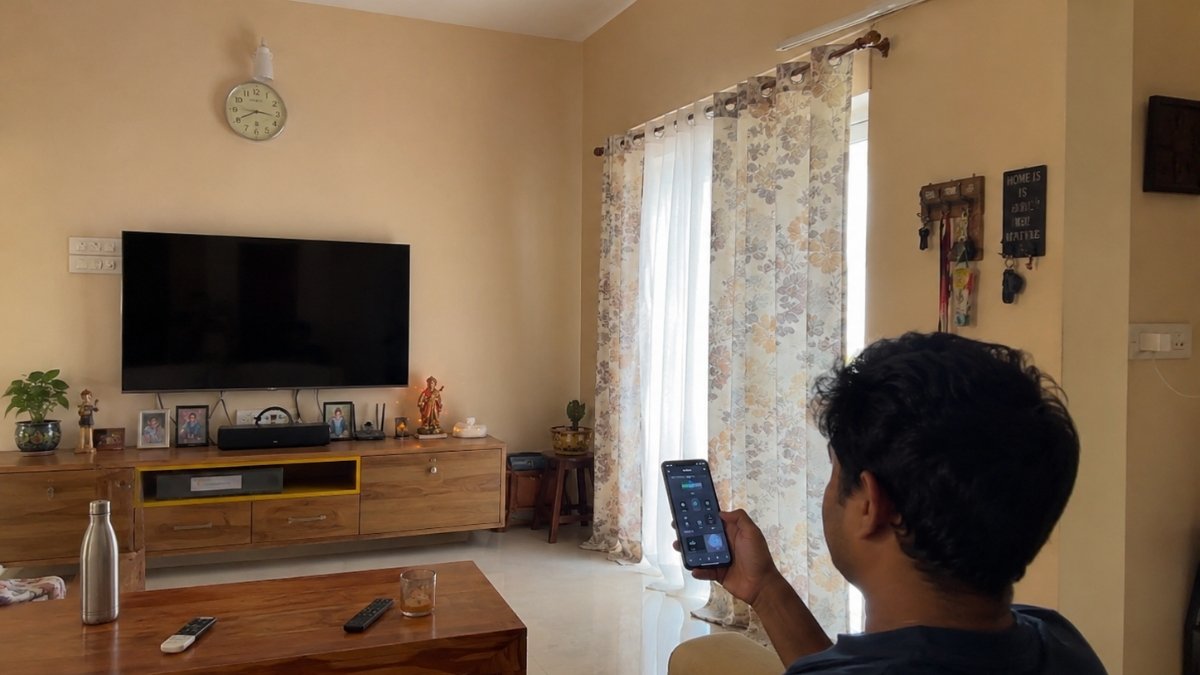
    A couple of years back, I remember visiting a friend’s new apartment. Nothing looked “futuristic” at first. Same sofa, same lights, same setup. But then he casually picked up his phone, tapped something, and the lights dimmed, the curtains closed, and the AC adjusted on its own.

    That’s when it hit me, Smart Automation Solutions aren’t flashy anymore. They’re quietly becoming normal.

    And honestly, once you get used to it, going back feels… inconvenient.

    It Starts Small in Homes

    Most people don’t jump straight into a fully automated house. It usually begins with one thing, maybe a smart bulb or a voice-controlled speaker.

    Then slowly, it builds.

    You add a few more devices. Maybe a smart plug. Then a security camera. Before you know it, you’re using home automation systems without even thinking about it.

    The biggest change isn’t the technology itself, it’s the habit.

    You stop worrying about small things.
    “Did I turn off the light?”
    “Did I lock the door?”

    With smart home technology, you just check your phone and move on.

    It’s Not Just About Laziness (Honestly)

    At first, I thought all this automation stuff was just about convenience. Press a button, save a few steps, that’s it.

    But there’s more to it.

    Take electricity usage, for example. Most of us don’t realize how much energy is wasted daily. Fans running in empty rooms, lights left on, ACs working harder than they should.

    This is where Smart Automation Solutions actually make sense.

    Automated systems can switch things off when no one’s around. Some setups even learn your routine and adjust accordingly. It’s not perfect, but over time, you do notice the difference in your electricity bill.

    And in places like India, that matters.

    Security Feels Different Now

    Let’s be real, traditional security systems have always had a gap.

    They alert you after something happens.

    But with smart security systems, it feels more active. You get real-time notifications. You can check live footage anytime. Some systems even alert you if something unusual is detected, not just movement, but suspicious movement.

    That shift changes how people think about safety.

    For many homeowners, automation solutions for homes aren’t just about comfort anymore; they’re about peace of mind.

    Meanwhile, Industries Are Moving Faster

    While homes are slowly adapting, industries didn’t take it slow at all.

    They went all in.

    Walk into a modern factory today, and you’ll see machines doing what entire teams used to handle. That’s the impact of industrial automation solutions.

    And it’s not just about replacing people, it’s about improving how things work.

    Less Error, More Consistency

    Humans make mistakes. It’s normal.

    Machines? Not so much, at least not in the same way.

    With automation in manufacturing, tasks are done the same way every single time. That consistency is a big deal, especially in industries where precision matters.

    Time Actually Becomes Money

    We’ve all heard that phrase, but automation makes it real.

    Processes that used to take hours now take minutes. Sometimes seconds.

    For businesses using smart automation systems, that speed directly impacts output, delivery time, and overall profit.

    Data Changes Everything

    This part doesn’t get talked about enough.

    Modern automation systems collect data constantly. Performance, errors, efficiency, everything gets tracked.

    With IoT-enabled automation, businesses aren’t guessing anymore. They’re making decisions based on actual numbers.

    And that’s a huge shift from how things used to work.

    The Same Idea, Different Scale

    What’s interesting is how similar the core idea is, whether it’s a house or a factory.

    A sensor detects something.
    A system processes it.
    An action happens.

    That’s it.

    The scale is different, but the logic behind Smart Automation Solutions stays the same. That’s probably why this technology is spreading so fast; it fits almost anywhere.

    But Yeah, It’s Not Perfect

    It would be nice to say automation solves everything. It doesn’t.

    The Cost Can Be a Turn-Off

    For many people, the first reaction is: “This sounds expensive.”

    And they’re not wrong.

    Setting up proper automation solutions, especially for industries, can cost a lot upfront. Even for homes, a full setup isn’t exactly cheap.

    But over time, most users feel it balances out through savings and efficiency.

    There’s a Bit of a Learning Curve

    Not everyone is comfortable controlling things through apps or voice commands.

    Some people still prefer switches. And honestly, that’s fair.

    But as smart automation systems become simpler to use, this gap is slowly reducing.

    And Then There’s Security

    The more connected things become, the more careful you need to be.

    Any device connected to the internet has some level of risk. That’s why choosing reliable systems and keeping them updated isn’t optional anymore.

    Where This Is All Heading

    If you look at how things are going, it’s pretty clear,Smart Automation Solutions are not slowing down.

    They’re getting smarter.

    Homes will probably start predicting what you need instead of waiting for commands. Industries will rely even more on automation for decision-making, not just execution.

    It sounds a bit futuristic, but parts of it are already happening.

    So, What’s the Big Deal?

    Honestly, it comes down to this:

    We’re moving from manual effort to smart systems.

    In homes, that means less worrying about small things and more control over your space.

    In industries, it means faster processes, fewer errors, and better decisions.

    That’s why smart home automation and industrial automation systems are gaining so much attention right now.

    Not because they look cool, but because they actually make life and work easier.

    Final Thought

    If you had asked someone ten years ago about living in an automated home or running a partially automated factory, it would’ve sounded unrealistic.

    Today, it’s slowly becoming standard.

    And the interesting part? Most people don’t even realize how much they’ve already started depending on it.

    That’s the real impact of Smart Automation Solutions, they blend in so well, you stop noticing them… until they’re not there.

  • When Power Goes Crazy at Home: What I Learned the Hard Way About Protecting My Appliances

    When Power Goes Crazy at Home: What I Learned the Hard Way About Protecting My Appliances

    I didn’t really care about voltage or power issues… until one day my TV just stopped working.

    No warning. No drama. It just refused to turn on after a power cut.

    At first, I thought it was a minor issue. Maybe a loose wire or something. But when the technician came in, he said something that stuck with me, “Voltage fluctuation, sir. Happens all the time.”

    That’s when I realized this isn’t some rare problem. It’s actually happening in most homes, especially in areas where power cuts and fluctuations are common.

    And honestly, that’s how I got into understanding Power Protection, not from a manual or guide, but from experience.

    The Thing About Power Surges (No One Really Talks About)

    We all notice power cuts. Lights go off, fans stop, obvious.

    But what we don’t notice are these tiny spikes in voltage. They happen in seconds. Sometimes, when power comes back. Sometimes, when a heavy appliance kicks in.

    And those small spikes? They slowly damage your electronics.

    It’s not always instant. That’s what makes it tricky.

    Your charger stops working sooner than expected. Your fridge starts acting weird after a few months. Your router randomly dies one day.

    You don’t connect it to voltage… but that’s usually the reason.

    I Used to Think a Surge Protector Was Just an Extension Box

    I’ll be honest, I had seen a Surge Protector before, but I never took it seriously.

    To me, it was just a fancy extension board.

    But it’s actually doing something important in the background. When voltage suddenly spikes, it blocks or redirects that extra current instead of letting it hit your device.

    Think of it like a shock absorber.

    Now I use a power surge protector for my TV, Wi-Fi router, and laptop setup. Not because I’m being extra careful… but because I’ve already learned my lesson once.

    And yeah, I wish I had used it earlier.

    The Bigger Problem Was My Fridge

    After the TV issue, I thought I was sorted.

    Then a few months later, my fridge started making strange noises. Cooling wasn’t consistent. Sometimes it worked fine, sometimes not.

    That’s when another technician asked me, “Do you have a Voltage protector?”

    I didn’t.

    Apparently, appliances like refrigerators and ACs are much more sensitive than we think. They don’t just need protection from spikes; they need stable voltage all the time.

    That’s where a home voltage protector comes in.

    What a Voltage Protector Actually Does (In Simple Words)

    No technical jargon here.

    A Voltage protector basically watches your power supply 24/7. If the voltage goes too high or too low, it cuts the connection.

    That’s it.

    It doesn’t try to fix the voltage. It just makes sure your appliance doesn’t get damaged.

    And honestly, that’s more than enough.

    Because most damage doesn’t happen during normal usage, it happens during those unstable moments right after power comes back.

    One Small Change That Made a Big Difference

    After that fridge incident, I installed a home voltage protector.

    Nothing fancy. Just a good-quality one.

    And I started noticing something interesting: every time power came back after a cut, there was a small delay before my fridge turned on.

    That delay? That’s the protector doing its job.

    Earlier, I never even realized how unstable the power supply was. Now I could literally see it in action.

    If You’re Wondering What You Actually Need

    Let me make it simple, based on what I learned (the hard way):

    • For small electronics → get a Surge Protector or power surge protector
    • For big appliances → definitely use a Voltage protector
    • For peace of mind → don’t skip a home voltage protector for fridge or AC

    You don’t have to overdo it. Just cover the important stuff first.

    A Few Things I Wish Someone Told Me Earlier

    Looking back, there are a few mistakes I made:

    • I ignored the problem until something broke
    • I bought cheap accessories without checking the quality
    • I assumed “nothing will happen”

    And that last one is the most dangerous.

    Because power issues don’t give warnings.

    Simple Habits That Actually Help

    Nothing complicated here. Just things I follow now:

    • I don’t plug everything into one board
    • I unplug during heavy thunderstorms (when I can)
    • I check the wiring if something feels off
    • And most importantly, I don’t ignore small signs anymore

    These aren’t big changes. But they make a difference.

    Final Thoughts (From Someone Who Learned Late)

    If your area has frequent power cuts or voltage fluctuations, don’t wait for something to go wrong.

    I did. And I ended up spending more on repairs than I would have on protection.

    A basic Power Protection setup isn’t expensive. But it saves you from that annoying moment when something suddenly stops working… and you don’t even know why.

    So yeah, if you’re thinking about it, just do it.

    Because once something gets damaged, there’s no “undo” button.


  • When the Power Spikes: A Real-World Guide to Protecting Your Home Electronics

    When the Power Spikes: A Real-World Guide to Protecting Your Home Electronics

    There’s a moment most of us have experienced, but rarely talk about. The lights flicker for just a second. Maybe the fan slows down and picks back up. Your TV blinks off and on. You pause… and then carry on as if nothing happened.

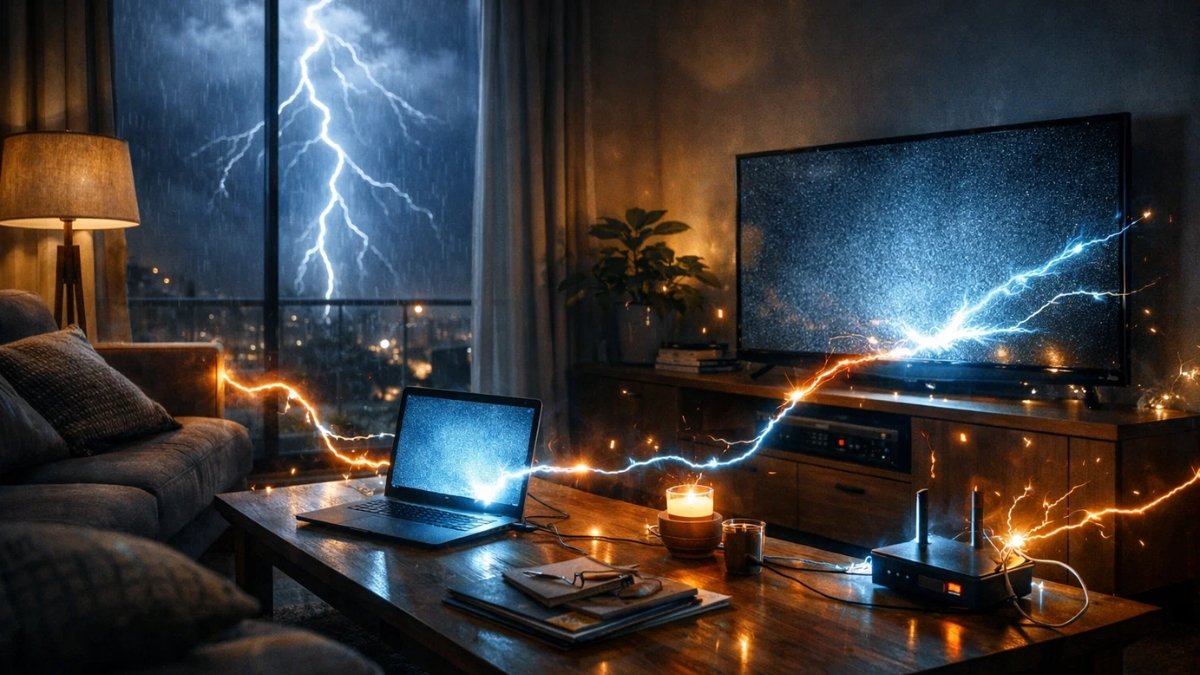
    But behind that tiny flicker could be something much bigger: a power spike that quietly stresses your electronics.

    I learned this the hard way a couple of years ago when my Wi-Fi router suddenly stopped working after a storm. No warning, no dramatic “boom.” Just dead. That’s when I realized how important proper Power Protection really is, not just for expensive gadgets, but for everything we rely on daily.

    Let’s talk about what actually happens during a power spike, and more importantly, how you can protect your home without overcomplicating things.

    What Exactly Is a Power Spike?

    In simple terms, a power spike (or surge) is a sudden increase in electrical voltage. It can last less than a second, but that’s more than enough to damage sensitive electronics.

    Common causes include:

    • Lightning strikes (even if they’re far away)
    • Power outages and sudden restorations
    • Faulty wiring or overloaded circuits
    • Heavy appliances like refrigerators or AC units switching on/off

    The tricky part? Most of these surges are invisible. You don’t always notice them happening, but your devices do.

    Over time, these small spikes can slowly degrade internal components, shortening the lifespan of your TV, laptop, or even your washing machine.

    Why Modern Homes Are More Vulnerable

    Back in the day, homes mostly had basic appliances, fans, lights, and maybe a fridge. Today, we’re surrounded by electronics:

    • Smart TVs
    • Wi-Fi routers
    • Laptops and desktops
    • Smart home devices
    • Kitchen appliances with digital panels

    All of these rely on delicate circuits. Even a slight voltage fluctuation can affect performance.

    That’s why having a proper power surge protector isn’t just “nice to have” anymore; it’s essential.

    The First Line of Defense: Surge Protectors

    If you walk into any electronics store, you’ll find extension boards labeled as “surge protectors.” But here’s the truth: not all of them actually protect you.

    A genuine Surge Protector is designed to divert excess voltage away from your devices. Think of it like a shock absorber for electricity.

    What to Look For:

    • Joule rating: Higher means better protection
    • Indicator lights: Show if protection is active
    • Multiple sockets: Useful for TV setups or workstations

    I personally started using one for my TV and router setup, and it gave me peace of mind, especially during rainy seasons when power fluctuations are more common.

    Going a Step Further: Whole-Home Protection

    While plug-in devices are helpful, they only protect what’s connected to them. What about your refrigerator? Your washing machine? Your inverter?

    This is where a Voltage protector comes into play.

    Unlike basic surge protectors, these devices monitor incoming voltage levels continuously. If the voltage goes too high or too low, they automatically cut off the power supply, preventing damage.

    For Indian homes, where voltage fluctuations aren’t uncommon, a home voltage protector can be a real game-changer.

    Real-Life Scenarios (You Might Relate To)

    Let’s make this practical.

    1. Sudden Power Cut During Rain

    You’re watching TV, and the power goes out. A few seconds later, it comes back with a slight flicker.

    That “comeback” is often when a surge happens.

    Without a power surge protector, your TV’s internal board could take a hit, even if it keeps working for now.

    2. AC Compressor Switching On

    Air conditioners draw a lot of power. When the compressor kicks in, it can cause small voltage fluctuations in your home.

    These may not seem serious, but repeated exposure can affect other devices on the same circuit.

    3. Old Wiring in Apartments

    Many homes still have aging electrical systems. Loose connections or outdated wiring can cause irregular voltage flow.

    In such cases, relying only on luck isn’t enough; this is where proper Power Protection becomes essential.

    Simple Steps You Can Take Today

    You don’t need a complete electrical overhaul to stay protected. A few small steps can make a big difference.

    1. Use Surge Protectors for Key Devices

    Start with:

    • TV
    • Computer/laptop
    • Wi-Fi router

    A good Surge Protector here can prevent immediate damage.

    2. Install a Voltage Protector for Heavy Appliances

    Focus on:

    • Refrigerator
    • Air conditioner
    • Washing machine

    A Voltage protector ensures these expensive appliances don’t suffer from unstable power supply.

    3. Consider a Mainline Solution

    If your area experiences frequent voltage fluctuations, a home voltage protector installed at the main distribution board can safeguard your entire house.


    4. Unplug During Severe Storms

    It sounds old-school, but it still works. During heavy lightning storms, unplugging sensitive devices adds an extra layer of safety.

    5. Don’t Ignore Warning Signs

    Watch out for:

    • Flickering lights
    • Buzzing sounds from outlets
    • Devices are heating up unusually

    These could indicate underlying electrical issues.

    A Small Investment, A Big Save

    Here’s something most people don’t realize: the cost of protection is often far less than the cost of repair.

    A decent power surge protector might cost a fraction of what you’d spend fixing a damaged TV or replacing a router. And a home voltage protector? It could save multiple appliances at once.

    It’s one of those rare cases where prevention is genuinely cheaper and smarter than cure.

    Final Thoughts

    Power spikes don’t announce themselves. They don’t give you a warning or a second chance. But with a bit of awareness and the right tools, you can stay one step ahead.

    Think of Power Protection not as an extra expense, but as a basic part of modern living, just like locking your doors or backing up your data.

    Because at the end of the day, it’s not just about protecting devices. It’s about protecting the small conveniences that make everyday life smoother, your evening shows, your work calls, your weekend playlists.

    And honestly, that peace of mind? Totally worth it.


  • Why I Finally Started Taking Power Protection Seriously at Home

    Why I Finally Started Taking Power Protection Seriously at Home

    I’ll be honest, Power Protection was never something I really thought about. Like most people, I only started caring after something went wrong.

    In my case, it was a TV. One evening, there was a sudden power fluctuation- nothing dramatic, just a quick flicker. The TV switched off, and when I tried turning it back on… nothing. That was it. Gone.

    At first, I blamed the brand. Then the wiring. Eventually, an electrician told me something that stuck: “It’s not your TV. It’s your power.”

    That’s when I started understanding how important basic protection really is.

    The Problem We All Ignore (Until It Costs Us)

    The thing is, electricity at home isn’t as stable as we assume. It looks fine on the surface: lights turn on, fans run, and everything works. But behind the scenes, there are constant fluctuations.

    Sometimes it’s small. Sometimes it’s sudden.

    And the worst part? You usually don’t notice the damage immediately.

    Your fridge might slowly lose efficiency. Your charger might stop working properly. Your Wi-Fi router might randomly die one day. All of this can be due to unstable voltage over time.

    That’s where proper Power Protection starts making sense, not as a luxury, but as something basic.

    I Used to Think a Surge Protector Was Just an Extension Board

    This is something a lot of people get wrong (including me earlier).

    I used to think any multi-plug extension box was basically a Surge Protector. Turns out, it’s not.

    A real Surge Protector actually does something important: it protects your devices when there’s a sudden spike in voltage. Instead of letting that extra electricity hit your TV or laptop, it absorbs or redirects it.

    A regular extension board? It just gives you more plug points.

    Big difference.

    Once I understood that, I switched to a proper power surge protector for my TV, laptop, and router. It wasn’t expensive, but it gave me a bit of peace of mind I didn’t have before.

    The Bigger Issue: Voltage Fluctuations

    If surges are sudden, voltage fluctuations are more like a slow problem.

    You won’t see sparks or anything dramatic. But over time, they quietly affect your appliances.

    This is where a Voltage protector becomes useful.

    I installed one for my refrigerator after noticing it wasn’t cooling like it used to. The technician suggested it, and honestly, I wish I had done it earlier.

    A Voltage protector basically checks if the incoming power is safe. If it’s too high or too low, it cuts off the supply. Once things are normal again, it restores power.

    Simple idea, but really effective.

    Why I’d Recommend a Home Voltage Protector (Especially Here)

    If you’re living in places where power cuts or fluctuations are common, getting a home voltage protector just makes sense.

    I’m saying this from experience, not as a technical suggestion.

    Instead of protecting one device at a time, a home voltage protector works at the main connection level. So everything in your house gets that extra layer of safety.

    Think of it like this: you can either protect devices individually or protect the entire system at once.

    Of course, it depends on your budget. But if you can, this is probably the more complete solution.

    What Changed After I Took This Seriously

    Nothing dramatic happened, and that’s actually the point.

    No sudden failures. No random breakdowns. No unexpected repair bills.

    Everything just… works.

    And that’s when you realize this isn’t about adding something fancy to your home. It’s about avoiding problems you don’t want to deal with later.

    A Few Things I Learned Along the Way

    These are simple, practical things, not expert advice, just what I picked up:

    • Don’t overload a single power surge protector with too many devices
    • Cheap products aren’t always worth it, especially for electrical safety
    • Heavy appliances like ACs and fridges need dedicated Voltage protector units
    • If power fluctuations are frequent, a home voltage protector is worth considering
    • And during thunderstorms… unplugging still helps

    Nothing complicated. Just small habits that make a difference.

    The Way I See It Now

    Earlier, I used to think of these things as “extra expenses.”

    Now, I see them differently.

    We spend so much on gadgets, phones, TVs, and appliances, but ignore what actually powers them. It’s a bit like buying an expensive bike and never maintaining the road it runs on.

    Not the best comparison, but you get the idea.

    Power Protection isn’t something you notice every day. But when it’s missing, you definitely feel it.

    Final Thought

    If everything at your home is working fine right now, that’s great. Honestly. But that’s also the best time to think about protection, not after something breaks.

    A simple Surge Protector, a decent power surge protector, or even a full home voltage protector setup, it doesn’t have to be complicated.

    Just start somewhere.

    Because once you’ve had one device fail due to power issues… you won’t want to go through that again.

  • EV Charger Safety at Home: Why a Dedicated EV Protector Actually Matters

    EV Charger Safety at Home: Why a Dedicated EV Protector Actually Matters

    I’ll be honest, most people don’t think about safety when they install a home EV charger.

    The usual mindset is simple:
    “I have a charger, I have a plug point… that’s enough.”

    That’s exactly how I thought about it, too, until I started noticing how unpredictable our power supply can be. One minute everything’s fine, the next minute lights flicker, voltage dips, or there’s a sudden surge. For regular appliances, we ignore it. For an electric vehicle? That’s a different story.

    Because charging an EV isn’t like charging your phone, it’s a heavy, continuous load, and if your electrical setup isn’t protected properly, you’re quietly taking a risk every single day.

    The Part Nobody Talks About

    Here’s what doesn’t get enough attention: your EV is probably the most expensive electronic device in your house.

    And yet, many people plug it into a system that’s already handling ACs, washing machines, and everything else, without any specialised protection.

    In India, especially, a few things are pretty common:

    • Sudden voltage fluctuations, especially in the evenings
    • Unexpected power surges during outages or restorations
    • Occasional earthing issues in older buildings
    • Rare but dangerous neutral failures

    Individually, these might seem like small electrical issues. But during EV charging, they can cause real damage, not always instantly, but slowly over time.

    That’s the tricky part. You won’t notice it until something goes wrong.

    Why a Regular MCB Isn’t Enough

    A lot of people assume, “I already have an MCB, so I’m safe.”

    But an MCB is basic protection. It trips when there’s an overload or a short circuit. That’s it.

    It doesn’t:

    • Monitor voltage stability
    • Detect leakage issues early
    • Protect against subtle but harmful fluctuations

    And EVs are sensitive. Their batteries and internal systems rely on stable, clean power. Even small irregularities, if repeated, can affect performance or reduce lifespan.

    This Is Where a Dedicated EV Protector Comes In

    Think of an EV protector like a bodyguard for your charging setup. It’s not just reacting when something goes wrong, it’s actively watching, preventing, and controlling power issues before they become serious.

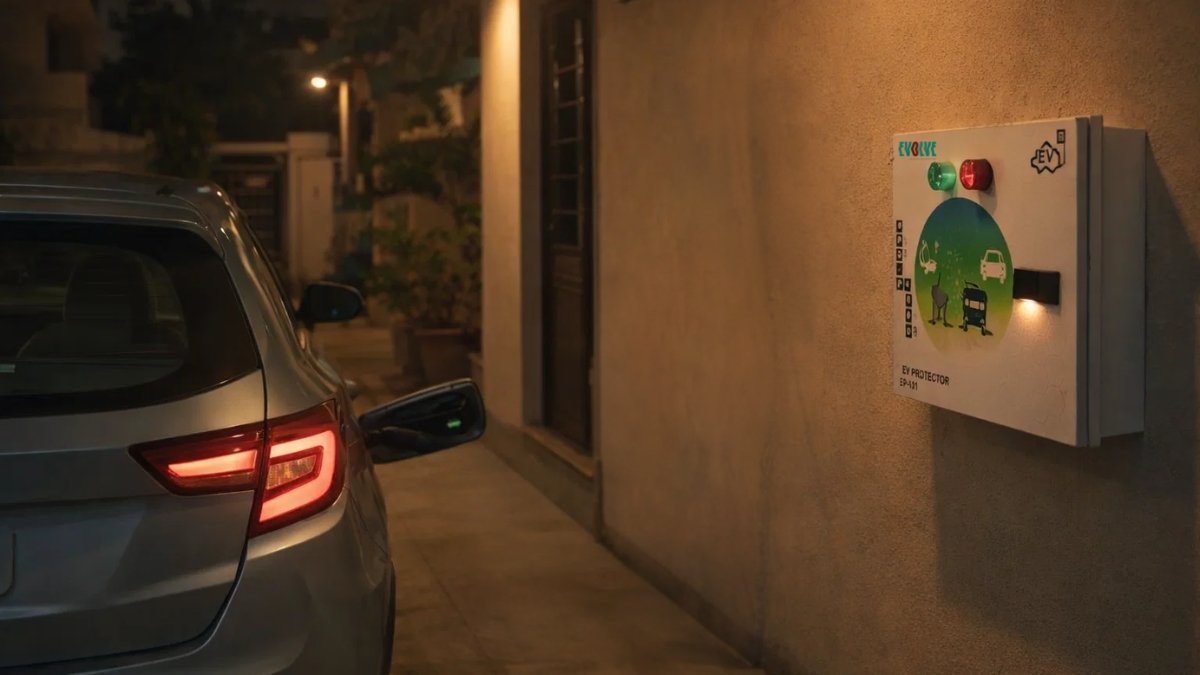
    Something like the Evolve EP 101 Series EV Protector is built specifically for this job. Not general use, not “one-size-fits-all”, it’s designed keeping EV charging in mind.

    And honestly, that difference shows.

    What It Actually Does (In Real Life Terms)

    Instead of throwing technical terms at you, let me simplify what a good EV protector actually handles:

    It manages unstable voltage

    If the power suddenly spikes or drops beyond safe limits, it steps in before your EV is affected.

    It catches leakage issues early

    Even small leakage currents, which you may not notice, can be risky. A proper protector detects and reacts instantly.

    It protects against neutral problems

    This is one of those hidden issues that can seriously damage electronics. A dedicated EV protector is designed to handle it.

    It reduces accident risks

    This isn’t just about your car, it’s about avoiding shocks, overheating, or worse.

    In short, it’s doing all the silent work in the background while you just plug in and walk away.


    The “Peace of Mind” Factor Is Real

    I didn’t think this would matter much at first, but it does.

    There’s a big difference between:

    • Plugging in your car and hoping everything is fine
    • Plugging it in and knowing it’s protected

    Especially when charging overnight or when you’re not around, that confidence makes a difference.

    You’re not second-guessing power cuts, voltage issues, or “what if something goes wrong.”

    It’s Not Just About Today

    EVs are only going to increase from here. Today it might be one car. Tomorrow, maybe two. Apartments are already starting to install shared charging points.

    Which means:

    • Higher load on electrical systems
    • More dependency on stable power
    • Greater need for reliable protection

    A solution like the Evolve EP 101 isn’t just solving a current problem; it’s preparing your setup for what’s coming next.

    So… Is It Really Necessary?

    If I’m being practical, not dramatic, here’s the answer:

    If you charge your EV occasionally, maybe you’ll get away without it for a while.

    But if you’re charging regularly at home (which most people do), then not having proper protection is a bit like skipping insurance on something valuable. You might be fine… until you’re not.

    Final Thought

    Owning an EV is a smart move. It saves money, reduces emissions, and honestly, it just feels like the future.

    But safe charging? That’s the part that completes the whole picture.

    A dedicated solution like the Evolve EP 101 Series EV Protector isn’t about adding complexity; it’s about removing worry.

    Because at the end of the day, the goal isn’t just to charge your car.

    It’s to plug in, walk away, and not think twice about it.

  • How Power Fluctuations Affect Everyday Devices, and How to Protect Them

    How Power Fluctuations Affect Everyday Devices, and How to Protect Them

    It usually happens without warning.

    Your Wi-Fi suddenly disconnects. The inverter starts beeping for no clear reason. A smart speaker stops responding, or a router quietly resets itself in the middle of a video call.

    Most people assume these are random glitches. But in many homes, especially in areas where voltage supply isn’t perfectly stable, the real culprit is often power fluctuations.

    And the devices that quietly suffer the most are the ones we rely on every single day.

    Why Power Fluctuations Are a Real Problem at Home

    Modern homes are filled with sensitive electronics.

    Wi-Fi routers. Smart TVs. Inverters. Security cameras. Smart speakers. Charging hubs.

    These devices aren’t built like the heavy appliances we grew up with. Their internal circuits are designed for precision, not instability.

    When voltage suddenly spikes or drops, even for a fraction of a second, it can disrupt how these devices operate.

    That’s why homeowners increasingly rely on tools like a home voltage protector or a power surge protector to keep everyday electronics safe.

    Without some form of protection, small fluctuations slowly add stress to internal components.

    Most people never notice it happening. Until something stops working.

    What Actually Happens During a Voltage Fluctuation

    Electricity coming into a home is ideally supposed to stay within a stable voltage range.

    But in reality, supply conditions vary. Sudden load changes in the grid, lightning, nearby equipment switching on, or even building wiring can cause spikes or dips.

    When this happens, devices experience:

    • Voltage spikes –   sudden surges above the safe limit
      Voltage drops –   brief dips that interrupt operation
      Rapid fluctuations –   repeated small changes that stress circuits

    Sensitive electronics like routers and smart home hubs are particularly vulnerable.

    That’s where a Voltage protector or power surge protector becomes important. These devices act as a barrier between unstable power and delicate electronics.

    How Inverters Are Affected

    Inverters are designed to manage power interruptions, but they are still electronic systems with internal circuitry.

    Frequent voltage instability can cause:

    • Control board stress 
    • Reduced battery charging efficiency 
    • Sudden shutdowns or alarm beeping 
    • Long-term component wear 

    While inverters handle backup power, they are not designed to absorb constant surges.

    A smart plugPower Protection Plug Surge Protector Plug installed between the wall outlet and the inverter system can help filter dangerous spikes before they reach the device.

    This extra layer of protection often extends inverter’s lifespan.

    Why Wi-Fi Routers Are Especially Vulnerable

    Routers run continuously.

    Unlike many appliances, they stay powered 24 hours a day. That constant operation makes them more exposed to unstable electricity.

    Even small power disturbances can cause:

    • Router resets 
    • Signal drops 
    • Reduced network stability 
    • Permanent adapter damage 

    In many cases, people replace routers, thinking the device is faulty. The real issue was repeated power spikes damaging the adapter over time.

    Using a power surge protector or a home voltage protector for networking equipment helps maintain a stable electrical environment for the router.

    That stability keeps connections reliable, especially important for work-from-home setups.

    Smart Devices and the Hidden Risk

    Smart homes depend on devices that contain microprocessors and sensors.

    Examples include:

    • Smart speakers 
    • Smart TVs 
    • Home security hubs 
    • Smart plugs 
    • Voice assistants 
    • Streaming devices 

    These products are highly sensitive to electrical irregularities.

    When voltage fluctuates, the internal chips may experience sudden resets or overheating.

    In some cases, devices fail immediately after a major surge. In other cases, the damage accumulates slowly until the device stops working months later.

    Installing a Voltage protector or power surge protector can dramatically reduce this risk.

    Think of it as a buffer that absorbs unstable electricity before it reaches your electronics.

    How Protection Devices Help

    Protection devices are designed to monitor and manage incoming electricity.

    A smart plug, Power Protection Plug Surge Protector Plug, works by detecting unsafe voltage levels and preventing that power from reaching connected devices.

    Depending on the design, it may:

    • Block sudden voltage spikes 
    • Disconnect power during dangerous fluctuations 
    • Restore power once levels stabilize 

    This prevents sensitive electronics from being exposed to damaging electrical conditions.

    Instead of absorbing the surge, your devices simply avoid it.

    For everyday household electronics, a home voltage protector offers a practical and reliable safety layer.

    Practical Benefits for Homeowners

    Adding protection for electronics does more than prevent sudden damage.

    It also improves everyday device reliability.

    When protected with a power surge protector, devices often experience:

    • Fewer random restarts 
    • More stable Wi-Fi connections 
    • Longer device lifespan 
    • Reduced repair or replacement costs 

    It’s one of those small upgrades that most people only appreciate after a device fails.

    But when protection is already in place, these problems often never appear in the first place.

    Why Reliable Protection Matters

    Power issues aren’t always dramatic events like lightning strikes.

    More often, they are small electrical disturbances happening quietly in the background.

    Over time, those disturbances place stress on electronics that were never designed to handle unstable power.

    That’s why solutions like a Voltage protector, home voltage protector, or smart plug, Power Protection Plug, Surge Protector Plug are becoming increasingly common in modern homes.

    They create a stable electrical environment for the devices we rely on daily.

    And when power conditions improve before reaching your devices, those devices simply work the way they should.

    A Simple Step Toward Safer Electronics

    Protecting electronics doesn’t require complicated systems or expensive installations.

    In many homes, starting with a reliable power surge protector is enough to significantly reduce the risks caused by power fluctuations.

    If your home relies heavily on routers, smart devices, and connected electronics, it may be worth exploring basic protection measures to keep those systems running smoothly. Most people only think about power protection after a device fails.

    The better approach is making sure it never has the chance to.

  • Do You Really Need a Stabilizer for Every Appliance?

    Do You Really Need a Stabilizer for Every Appliance?

    Walk into any electronics store and try to buy a refrigerator or an air conditioner. Before the bill is printed, there’s almost always one extra question.

    “Do you want a stabilizer with that?”

    For years, that question didn’t really feel optional. Stabilizers were treated almost like a required companion to appliances. If you bought an AC, you bought a stabilizer if you bought a refrigerator, same story.

    But appliances today aren’t the same as they were 15 or 20 years ago. Electronics have improved. Power systems inside devices are smarter. Many homeowners are starting to wonder whether they actually need a stabilizer for every appliance in the house.

    The answer isn’t a simple yes or no. It depends on the appliance, the power conditions in your area, and sometimes even the age of your home’s wiring.

    The Real Issue: Voltage Fluctuation

    Electricity isn’t always as steady as we like to imagine.

    In many cities and towns, the incoming voltage to homes fluctuates throughout the day. It might dip in the evening when everyone turns on their air conditioners. It may spike briefly when power is restored after an outage.

    You may not always notice it clearly, but appliances do.

    Motors don’t like low voltage. They struggle and heat up. Electronics don’t like sudden spikes either. Even small fluctuations repeated over time can slowly wear down internal components.

    That’s why stabilizers became so common in the first place. They helped smooth out those changes before electricity reached the appliance.

    Why Stabilizers Became Standard in the First Place

    If you look at older appliances, the internal circuitry was far less tolerant of voltage changes.

    Air conditioners from the early 2000s, for example, were particularly sensitive. A voltage drop could make the compressor work harder than it should. A sudden spike could damage control boards.

    Manufacturers started recommending stabilizers simply because it reduced warranty issues and extended the life of the appliance.

    So the habit stuck. Even today, many people automatically assume a stabilizer is necessary for everything.

    But technology has quietly moved forward.

    Many Modern Appliances Already Handle Voltage Changes

    Most newer appliances are designed with wider operating voltage ranges.

    Refrigerators, washing machines, and even many air conditioners now include internal circuits that can handle fluctuations reasonably well. Some models can operate safely across quite a wide voltage range.

    This built-in tolerance means an external stabilizer is not always essential anymore.

    For smaller electronics, it’s even less relevant. Devices such as televisions, laptops, routers, and phone chargers already use internal voltage regulators.

    Plugging those into a stabilizer usually doesn’t change much.

    So the idea that every appliance must have a stabilizer is slowly becoming outdated.

    But That Doesn’t Mean Stabilizers Are Useless

    Here’s where things get a little more practical.

    Just because modern appliances can tolerate some fluctuation doesn’t mean they are immune to unstable electricity.

    In areas where power supply is fairly consistent, appliances will probably run perfectly fine without extra protection.

    But in places where voltage swings happen often, lights dimming, fans slowing down, sudden restarts after outages, the stress on appliances adds up over time.

    It may not break something immediately. Instead, it shortens lifespan.

    That expensive refrigerator might last seven years instead of ten. An AC compressor might fail earlier than expected.

    That’s where stabilizers still make sense.


    Appliances Where Stabilizers Still Help

    Some appliances are inherently more vulnerable due to their operation.

    Air conditioners are a good example. The compressor inside works under heavy electrical load, and voltage drops can force it to work harder than designed.

    Large refrigerators also benefit from a stable voltage, especially in areas with frequent voltage fluctuations.

    Home theatre systems and expensive televisions are another case. These devices contain sensitive electronics that may not tolerate sudden spikes when power is restored after an outage.

    In homes with an inconsistent power supply, protecting these appliances is often worth the small extra investment.

    A Shift Toward Whole-Home Protection

    Interestingly, many homeowners are moving away from protecting appliances one by one.

    Think about it. A voltage spike doesn’t target a single device. It travels through the entire electrical line entering your home.

    That’s why electrical protection today is slowly shifting toward whole-home solutions instead of individual stabilizers scattered across rooms.

    These systems monitor incoming power and help manage fluctuations before electricity even reaches appliances.

    It’s a simpler setup and often more reliable in the long run.

    How Evolve Helps Simplify Appliance Protection

    This is exactly the thinking behind the protection solutions offered by Evolve.

    Instead of adding separate stabilizers everywhere, Evolve focuses on protecting the electrical environment of the home itself.

    When incoming power is stabilized and monitored properly, appliances naturally operate under better conditions.

    That means fewer electrical shocks to sensitive electronics, less stress on motors and compressors, and a lower chance of unexpected failures.

    For homeowners, the biggest benefit is simple: appliances last longer and perform the way they’re supposed to.

    So, Do You Need a Stabilizer for Every Appliance?

    Not really.

    Technology has improved enough that many appliances already handle moderate voltage changes on their own.

    But unstable electricity hasn’t disappeared. In areas with frequent fluctuations, some level of protection remains advisable, especially for expensive or heavy-duty appliances.

    The smarter approach today isn’t automatically adding stabilizers everywhere. It’s understanding how electricity behaves in your home and choosing the right protection strategy.

    If you’re exploring better ways to safeguard your appliances from voltage fluctuations, it may be worth taking a closer look at Evolve’s protection solutions and seeing what fits your setup best.

  • Top Reasons TVs and Set-Top Boxes Get Damaged in Indian Homes

    Top Reasons TVs and Set-Top Boxes Get Damaged in Indian Homes

    A TV or set-top box usually doesn’t fail dramatically. No sparks. No warning. One day it just refuses to turn on, or the picture starts flickering, or the sound goes missing. The technician opens it up and gives the familiar verdict: “Board damage hai.”

    For many Indian homes, this has become an accepted inconvenience. Repair it, replace it, move on.

    But here’s the uncomfortable truth: most of this damage is avoidable.

    Let’s break down the real reasons TVs and set-top boxes get damaged in Indian households, and where something as simple as a smart plug or Voltage protector fits into the picture.

    Why TV and Set-Top Box Damage Is So Common in India

    Indian power conditions are unpredictable. Even in metros, voltage rarely stays stable for long. Add weather, local wiring quality, and increasing electronic load, and your TV setup is constantly under stress.

    Unlike refrigerators or air conditioners, TVs and set-top boxes don’t come with strong inbuilt protection. They rely heavily on the quality of power coming from the socket.

    That’s where things start going wrong.

    1. Voltage Fluctuations That Happen Daily (Not Rare Events)

    Small voltage ups and downs happen many times a day. You may not notice them, but your TV does.

    When voltage rises above safe limits or drops suddenly, internal components heat up unevenly. Over time, this weakens capacitors and ICs.

    Eventually, one fluctuation too many, your TV won’t switch on.

    This is exactly why a home voltage protector is not a luxury anymore. It acts as a buffer between unstable power and sensitive electronics.

    2. Sudden Power Surges During Storms and Grid Switching

    Monsoon season is brutal on electronics. Lightning strikes nearby. Transformers switch loads. Power cuts return with a jolt.

    That instant spike, lasting milliseconds, is enough to fry the power board of a TV or set-top box.

    A power surge protector is designed to absorb or block these spikes before they reach your device. Without it, your TV takes the hit directly.

    Many people confuse stabilizers with surge protection. They are not the same thing. Stabilizers manage the voltage range slowly. Surges are fast and destructive.

    This is where a Surge Protector Plug becomes critical.

    3. Cheap Extension Boards and Loose Wall Sockets

    That ₹199 extension board with multiple plugs looks harmless. Internally, it often has poor-quality wiring and zero surge protection.

    Loose sockets create micro-arcing, tiny electrical sparks you can’t see. Over time, this damages the power input stage of TVs and set-top boxes.

    If your TV is connected through an extension board, you’re increasing your risk without realizing it.

    A certified Power Protection Plug provides controlled power delivery and proper earthing, two things cheap boards lack.

    4. Repeated Power Cuts and Abrupt Restarts

    In many areas, power doesn’t go off cleanly. It flickers. Comes back for two seconds. Goes again.

    Each restart sends an unstable current into connected devices. Set-top boxes are especially vulnerable because they stay in standby mode 24/7.

    Over months, this repeated stress damages internal circuits.

    Using a Voltage protector with auto cut-off ensures power only flows when the voltage is within a safe range.

    5. Inadequate Earthing in Homes

    Poor earthing is a silent killer for electronics.

    Without proper grounding, excess electrical energy has nowhere to go. It ends up inside your TV or set-top box.

    Many apartment buildings, especially older ones, have compromised earthing systems. Even new constructions sometimes cut corners.

    A quality power surge protector works best when earthing is decent, but it also adds an extra safety layer when grounding isn’t perfect.

    6. Modern TVs Are More Sensitive Than Older Models

    Old CRT TVs were built like tanks. New LED, OLED, and Smart TVs are not.

    They run complex boards, processors, Wi-Fi modules, and delicate panels. This makes them far more vulnerable to voltage issues.

    Ironically, the more expensive the TV, the more important external protection becomes.

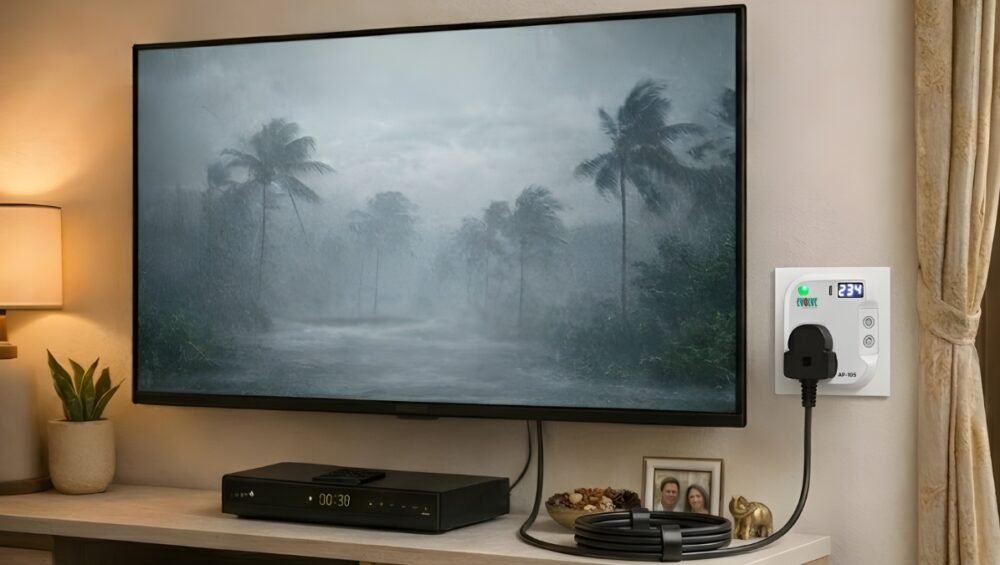
    Using a smart plug with built-in protection ensures these advanced devices aren’t exposed to raw power from the wall.

    Understanding the Solution: Power Protection at the Plug Level

    Whole-house solutions are expensive and often impractical for rented homes.

    Plug-level protection is simpler and more targeted.

    A good Power Protection Plug combines:

    • Surge suppression
    • Over-voltage and under-voltage cut-off
    • Auto-reset when power stabilizes

    It’s a small device, but it sits exactly where protection matters, between your TV and the wall socket.

    How Evolve Solutions Fit Into This Reality

    Evolve’s power protection solutions are designed specifically for Indian power conditions, not ideal lab scenarios.

    They respond fast to voltage spikes, cut off power during unsafe fluctuations, and reconnect only when voltage stabilizes.

    For TVs and set-top boxes that stay connected all day, this kind of protection quietly prevents damage that would otherwise cost thousands in repairs.

    No apps. No complicated setup. Just practical protection that does its job.

    Real Benefits for Everyday Users

    • Prevents costly board replacements
    • Extends TV and set-top box lifespan
    • Protects against unpredictable power cuts and surges
    • Works without changing existing wiring
    • Ideal for owned and rented homes

    It’s one of those things you only notice when it’s not there.

    A Quick Word on Safety and Reliability

    Good power protection products are tested for Indian voltage ranges and built with certified components.

    This matters. Poor-quality protectors can fail silently, or worse, become a hazard themselves.

    Choosing a reliable home voltage protector isn’t about features. It’s about trusting it to work when power conditions go bad.

    Final Thought

    Most TV and set-top box damage doesn’t happen because the product is bad. It happens because the power feeding it is unstable.

    If you’ve already faced a repair once, you know how frustrating and expensive it is.

    A small investment in a Surge Protector Plug or smart plug today can quietly prevent that next breakdown.

    Sometimes, protection isn’t about adding something new.
    It’s about removing one unnecessary risk from daily life.

  • Is Your Home Voltage Safe for Expensive Appliances? Here’s How to Check

    Is Your Home Voltage Safe for Expensive Appliances? Here’s How to Check

    You switch on the AC. It hesitates, then starts. The lights flicker for a second. Your refrigerator makes a slightly different sound than usual.
    Most of us notice these things and move on.

    What we don’t realise is that these small signs often point to an unsafe voltage supply at home, and that’s exactly what slowly damages expensive appliances like TVs, washing machines, air conditioners, and smart electronics.

    With homes now packed with sensitive electronics, home voltage safety isn’t a technical concern anymore. It’s a daily, practical one.

    Let’s break this down simply.

    Why home voltage safety matters more than ever

    A decade ago, most homes ran on basic electrical devices. Today, even a “normal” home has inverter ACs, smart TVs, Wi-Fi routers, dishwashers, and chargers running all day.

    These appliances are designed to work within a narrow voltage range. When voltage goes up or down too often, internal components take stress, even if the appliance doesn’t fail immediately.

    In many Indian cities and towns, voltage fluctuations are still common due to:

    • Overloaded local transformers
    • Seasonal demand spikes (especially in the summer)
    • Ageing wiring inside buildings
    • Sudden power restoration after outages

    The result? Appliances age faster than they should.

    The real risks of ignoring voltage problems

    Voltage issues don’t always cause dramatic failures. Most damage is slow and invisible.

    Here’s what typically happens when voltage isn’t stable:

    • AC compressors weaken over time
    • TV panels develop faults after repeated surges
    • Refrigerator control boards fail unexpectedly
    • Chargers and adapters overheat or stop working

    By the time something breaks, the warranty is often over, and repair costs are not small.

    This is exactly why relying only on “luck” or assuming the wiring is fine is risky.

    How to check if your home voltage is safe (without calling an electrician)

    You don’t need professional tools to get a basic idea. A few practical checks can tell you a lot.

    1. Observe appliance behaviour

    If the lights dim when the AC starts, or the refrigerator clicks on and off frequently, voltage variation is likely.

    2. Notice seasonal patterns

    If appliance issues increase during summer afternoons or late nights, it’s often due to grid load fluctuations.

    3. Check charging behaviour

    Mobile chargers heating up more than usual or charging inconsistently is another early sign.

    4. Use a smart plug

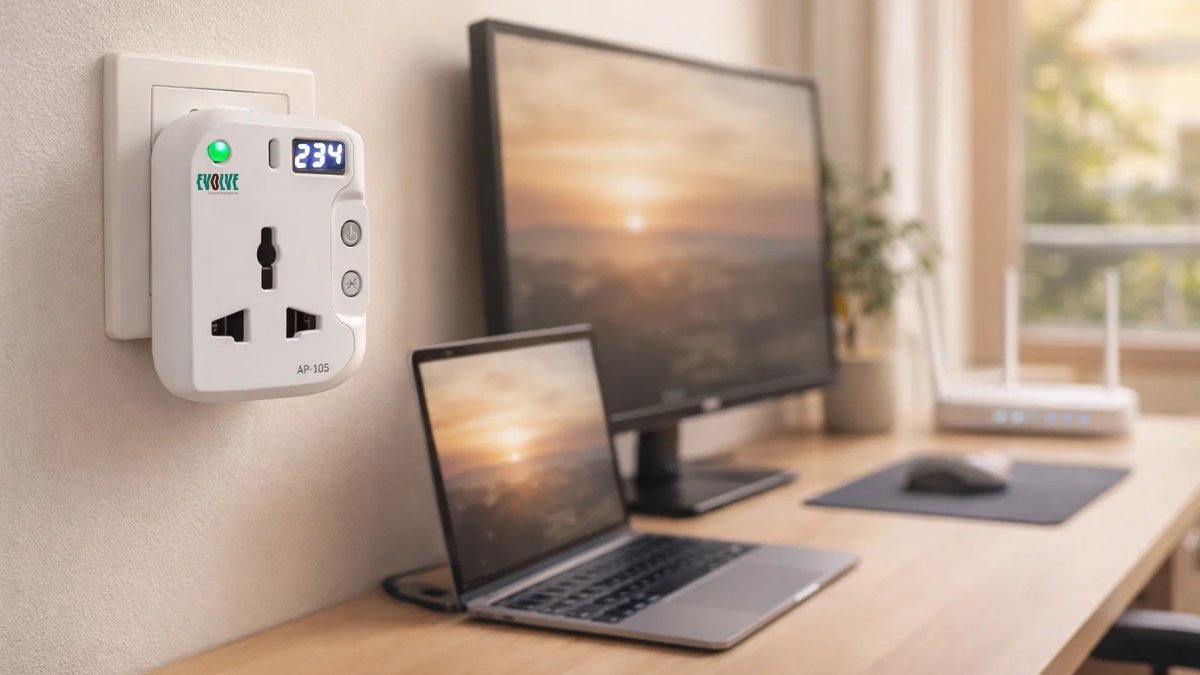
    A smart plug with voltage monitoring can show real-time voltage levels on your phone. This is one of the simplest ways to understand what your home is actually receiving, not what it’s supposed to receive.

    Many people are surprised to see how often voltage goes beyond safe limits.

    Understanding voltage protection solutions (in simple terms)

    Once you know voltage isn’t always stable, the next step is protection. This is where people often get confused.

    Surge protection vs voltage protection

    A power surge protector or Surge Protector Plug mainly handles sudden spikes, like those caused by lightning or abrupt power restoration.

    A Voltage protector or home voltage protector goes a step further. It monitors incoming voltage continuously and cuts off power if it goes too high or too low, reconnecting only when things are safe again.

    For sensitive appliances, that difference matters.

    Appliance-level protection works better

    Instead of protecting the whole house at once, using a Power Protection Plug for individual high-value appliances offers more control and reliability.

    It’s targeted. And often more cost-effective.

    How Evolve approaches appliance voltage protection

    Evolve designs protection devices keeping Indian power conditions in mind, not ideal lab conditions.

    Their power surge protector and Voltage protector solutions are built to:

    • Detect unsafe voltage instantly
    • Cut off power before damage occurs
    • Automatically restore supply when the voltage stabilises

    Paired with a smart plug, users can also monitor voltage behaviour instead of guessing.

    The idea is simple: don’t wait for damage. Prevent it quietly, in the background.

    Practical benefits you actually notice

    Using a proper home voltage protector doesn’t change how your appliances work day to day. That’s the point.

    What you do notice over time:

    • Fewer sudden appliance failures
    • Lower repair and replacement costs
    • Better performance consistency
    • Peace of mind during power cuts and restorations

    It’s protection you stop thinking about, because it’s doing its job.

    Safety, reliability, and long-term trust

    Electrical protection devices should never be complicated or fragile. They sit between your appliance and an unpredictable power supply, so reliability matters more than features.

    Evolve products are designed with:

    • Certified safety components
    • Clear-cut off thresholds
    • Durable build for Indian conditions

    No complex setup. No constant monitoring needed.

    Just plug in and let it work.

    A simple next step

    If your home has appliances you’d rather not replace anytime soon, start small.

    Check voltage behaviour using a smart plug.
    Protect your most expensive appliance first with a Power Protection Plug or Voltage protector.

    You don’t need to overhaul your entire electrical system.
    Just make smarter, quieter choices that keep your appliances safe, without drama.

    That’s usually enough.

  • Why New Appliances Fail Early in Many Indian Homes And What a Power Surge Protector Can Change?

    Why New Appliances Fail Early in Many Indian Homes And What a Power Surge Protector Can Change?

    You buy a new refrigerator. It’s from a trusted brand, costs a small fortune, and comes with a shiny warranty card. For the first few months, everything works fine. Then one evening, after a brief power cut, it refuses to turn on. The service technician opens the panel, looks at the board, and quietly says, “Voltage issue, sir. Not covered.”

    This story plays out daily in Indian homes. And it’s not because appliances are poorly made. Most modern appliances are actually far more sensitive than older ones. The real problem lies in what’s coming through our power lines.

    Why this problem matters more than we think

    Homes today are packed with electronics. Refrigerators have digital control boards. Washing machines run on microprocessors. TVs, routers, air conditioners, and even water purifiers rely on delicate components.

    All of them expect a stable voltage.

    But Indian power supply rarely offers that consistency. Sudden spikes, drops, and short power cuts are common, especially in apartments, independent houses, and mixed residential-commercial areas.

    The result? Appliances that should last 8–10 years start failing in 2–3 years.

    And when they fail, repairs are expensive. In many cases, replacing a PCB costs almost as much as a new appliance.

    The silent risks most homeowners ignore

    Voltage problems don’t always announce themselves dramatically. There’s rarely a spark or smoke. Damage happens slowly.

    Here’s what usually goes unnoticed:

    • Micro-surges during power restoration after outages
    • Low-voltage stress during peak load hours
    • Sudden high-voltage spikes from nearby transformers or lightning
    • Inconsistent earthing inside buildings

    Each event chips away at internal components. Over time, the appliance just gives up.

    Using extension boards or basic spike guards gives a false sense of security. Most of them are built for very light protection, not real-world Indian conditions.

    Why modern appliances fail faster than old ones

    Older appliances were mostly mechanical. A fridge from 20 years ago could survive wild voltage swings because it had fewer electronics.

    Today’s appliances are different:

    • Digital inverter compressors
    • Touch panels and sensors
    • Wi-Fi modules
    • Energy-efficient but sensitive power supplies

    These features improve performance and reduce electricity bills, but they also make appliances more vulnerable.

    This is exactly why relying only on a stabiliser or generic plug point isn’t enough anymore.

    Understanding the solution category (without jargon)

    To protect modern appliances, you need something that reacts instantly to voltage problems, not minutes later.

    This is where solutions like a power surge protector, Voltage protector, or home voltage protector come in.

    At a basic level, they do three things:

    • Cut off power when the voltage goes too high or too low
    • Absorb sudden surges before they reach the appliance
    • Restore power safely once the voltage stabilizes

    Unlike old-school stabilisers that try to “correct” voltage, these devices focus on protection first.

    A well-designed Surge Protector Plug or Power Protection Plug sits directly between the appliance and the socket, monitoring power continuously.

    No manual switching. No guesswork.

    Why plug-level protection makes practical sense

    Whole-house stabilisers sound good in theory, but they aren’t always practical. Many homes don’t have space. Some live in rented apartments. Others want targeted protection for expensive appliances only.

    A smart plug with built-in protection or a dedicated power surge protector solves this neatly.

    Benefits include:

    • Protection exactly where it’s needed
    • No rewiring or electrician visit
    • Easy replacement if required
    • Cost-effective compared to large stabilisers

    For appliances like refrigerators, washing machines, dishwashers, TVs, and routers, this approach works surprisingly well.

    How Evolve solutions fit naturally into this picture

    Evolve designs protection products specifically for Indian power conditions, not ideal lab scenarios.

    Instead of generic components, Evolve focuses on:

    • Voltage ranges actually seen in Indian homes
    • Fast response time to sudden spikes
    • Cut-off precision that prevents repeated on-off stress
    • Compact designs that fit modern kitchens and utility areas

    Whether it’s a Power Protection Plug for a refrigerator or a home voltage protector for sensitive electronics, the goal stays the same: stop bad power before it causes silent damage.

    No apps you must use. No complicated setup. Just consistent protection doing its job quietly.

    Real benefits homeowners notice over time

    People usually invest in protection after losing one appliance. But those who use it early notice clear differences:

    • Appliances run more consistently
    • Fewer unexplained breakdowns
    • Lower repair expenses
    • Peace of mind during power cuts and storms

    One small but important benefit is reduced stress on compressors and motors. When the voltage is unstable, these parts work harder and wear out faster. Good protection helps them operate within safe limits.

    Over the years, this adds up.

    Trust, safety, and reliability (what actually matters)

    Electrical protection isn’t about fancy features. It’s about reliability when things go wrong.

    A good Voltage protector should:

    • Fail safely
    • Not overheat
    • Not pass unsafe voltage even once
    • Work consistently without attention

    This is where quality matters more than price. Cheaper plugs may claim protection but often lack proper cut-off mechanisms or surge absorption capacity.

    Choosing a tested power surge protector from a trusted brand reduces risk, not just to appliances, but also to your home.

    A simple next step (no pressure)

    If your home experiences frequent power cuts, dimming lights, or appliance resets, protection isn’t optional anymore. It’s preventive maintenance.

    Start small. Protect one critical appliance. Observe the difference.

    Sometimes, the smartest upgrade in a modern home isn’t a new gadget, it’s making sure the ones you already own survive long enough to be worth the money you paid for them.