Every month, the same routine plays out in millions of homes: the utility bills arrive, and somewhere between opening the envelope and paying it, there’s a small sigh. Water bills creep up. Electricity costs spike during summer or winter extremes. And most of us have no real idea why, we just know the number is higher than we’d like.
This is exactly the gap that Water and Power Management Solutions are designed to close. They give homeowners visibility into where their money is actually going, and more importantly, the tools to do something about it. Let’s talk about how they work, and why more households are turning to them.
The Problem With “Guessing” Your Usage
Most of us manage utilities reactively. We notice the bill, maybe we feel a twinge of guilt about long showers or leaving lights on, and then life moves on until the next bill arrives. There’s no real feedback loop, no way to know that a running toilet has been wasting water for three weeks, or that an old refrigerator is quietly eating twice the electricity it should.
That lack of visibility is expensive. Studies on residential water use consistently show that leaks alone can account for thousands of gallons wasted per household every year, often without a single visible drip. Electricity waste is similar, phantom loads from devices left plugged in, inefficient HVAC scheduling, and appliances running at odd hours all add up quietly.
This is where smart Water and Power Management Solutions change the game. Instead of guessing, you get data.
What “Smart” Actually Means Here
When people hear “smart home,” they often picture voice assistants or app-controlled lightbulbs. But the more practical, wallet-friendly side of smart home tech is monitoring and automation, systems that watch how you use water and power, then help you use less of both without sacrificing comfort.
A few common components:
- Smart water meters and leak sensors, These track flow in real time and alert you the moment something unusual happens, like a pipe leaking overnight or a sprinkler system that didn’t shut off.
- Smart power monitors, Installed at the breaker panel or on individual outlets, these show exactly which appliances are consuming the most energy, often broken down by hour or by device.
- Smart thermostats, These learn your schedule and adjust heating and cooling automatically, cutting one of the largest slices of a typical power bill.
- Automated irrigation controllers, These use weather data to water lawns only when needed, instead of running on a fixed schedule regardless of rainfall.
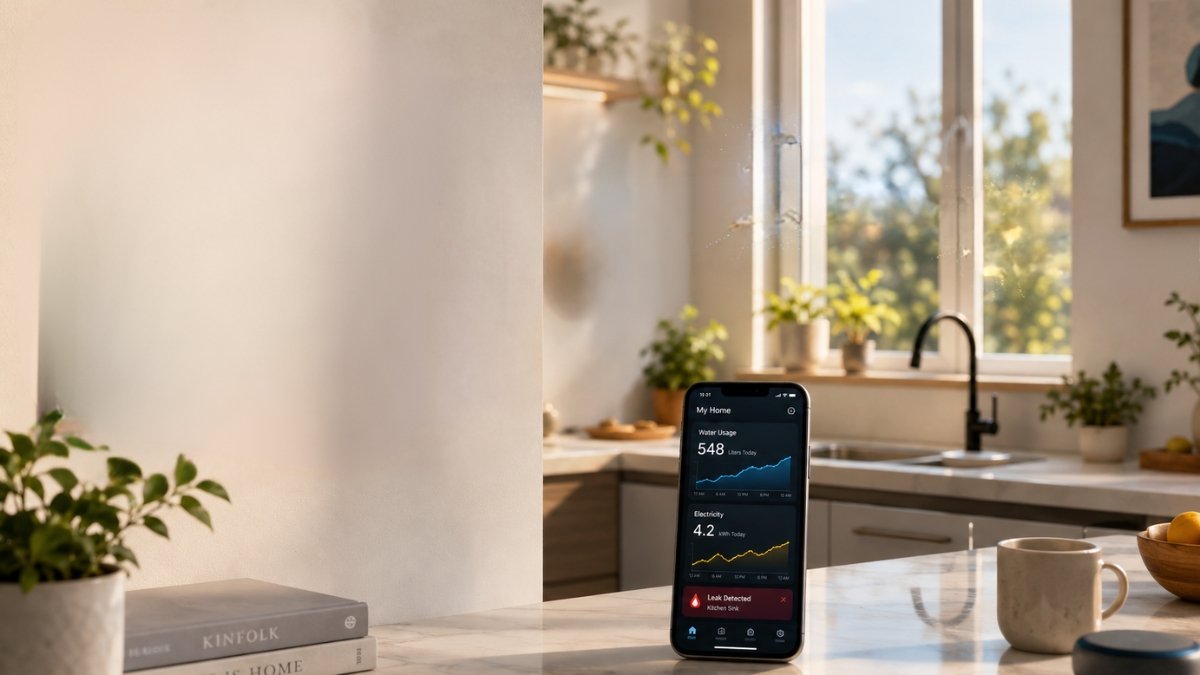
- App-based dashboards, The connective tissue that pulls all this data together so you can actually see trends, not just isolated numbers.
Individually, each of these tools solves a small problem. Together, they form a genuinely effective Water and Power Management Solutions system.
Where the Actual Savings Come From
It’s worth being specific here, because “smart technology saves money” is a vague promise until you break it down.
- Leak detection stops silent waste. A single undetected leak can add a meaningful chunk to a water bill before anyone notices. Sensors that flag abnormal flow patterns catch this early, sometimes before the homeowner even realizes there’s a problem.
- Real-time power data changes behavior. There’s a well-documented psychological effect: when people can actually see their energy use in real time, they use less of it. Simply knowing that the water heater or old air conditioner is the biggest energy hog in the house is often enough to prompt a fix, an upgrade, or a schedule change.
- Automation removes human error. Smart thermostats and irrigation systems don’t forget to turn off, don’t run on scorching days by mistake, and don’t ignore a rainy forecast. They act on data, not habit.
- Predictive maintenance avoids costly repairs. Catching a small issue, a dripping valve, a struggling compressor, before it becomes a major one saves money not just on utility bills but on repair and replacement costs down the line.
A Realistic Look at Cost vs. Payoff
It’s fair to ask: do these systems actually pay for themselves? For most households, yes, though the timeline depends on what’s installed. A basic leak sensor is inexpensive and can prevent a single costly water disaster from ever happening. A smart thermostat often pays for itself within a year or two through reduced heating and cooling costs. Whole-home energy monitors take a bit longer to justify, but the ongoing savings, plus the avoided cost of undetected problems, tend to add up over time.
The bigger point is that this isn’t an all-or-nothing decision. Households can start small, with a single smart plug or leak sensor, and expand their Water and Power Management Solutions setup as they see results.
Getting Started Without Overwhelm
For anyone curious but hesitant, here’s a simple, low-pressure way to begin:
- Start with one high-impact device, a smart thermostat or a leak sensor near the water heater.
- Check the app data weekly for the first month to spot obvious patterns.
- Fix the easy wins first (a leak, a forgotten space heater, an outdated appliance running constantly).
- Add another device once the first one proves its value.
There’s no need to renovate the entire house overnight. The goal is steady, informed improvement, not a complicated tech project.
The Bigger Picture
Reducing utility costs isn’t just about saving a few dollars each month, though that matters. It’s also about using resources responsibly, avoiding unnecessary waste, and having a home that quietly runs more efficiently in the background. Water and Power Management Solutions give households the visibility and control that used to be reserved for utility companies alone, and that shift, small as it sounds, tends to change how people think about their homes entirely.
At the end of the day, the appeal isn’t really about gadgets. It’s about no longer being surprised by the bill.