Author: Evolve

  • Monsoon-Proofing Your Water Pump: A Seasonal Checklist for Indian Homeowners

    Monsoon-Proofing Your Water Pump: A Seasonal Checklist for Indian Homeowners

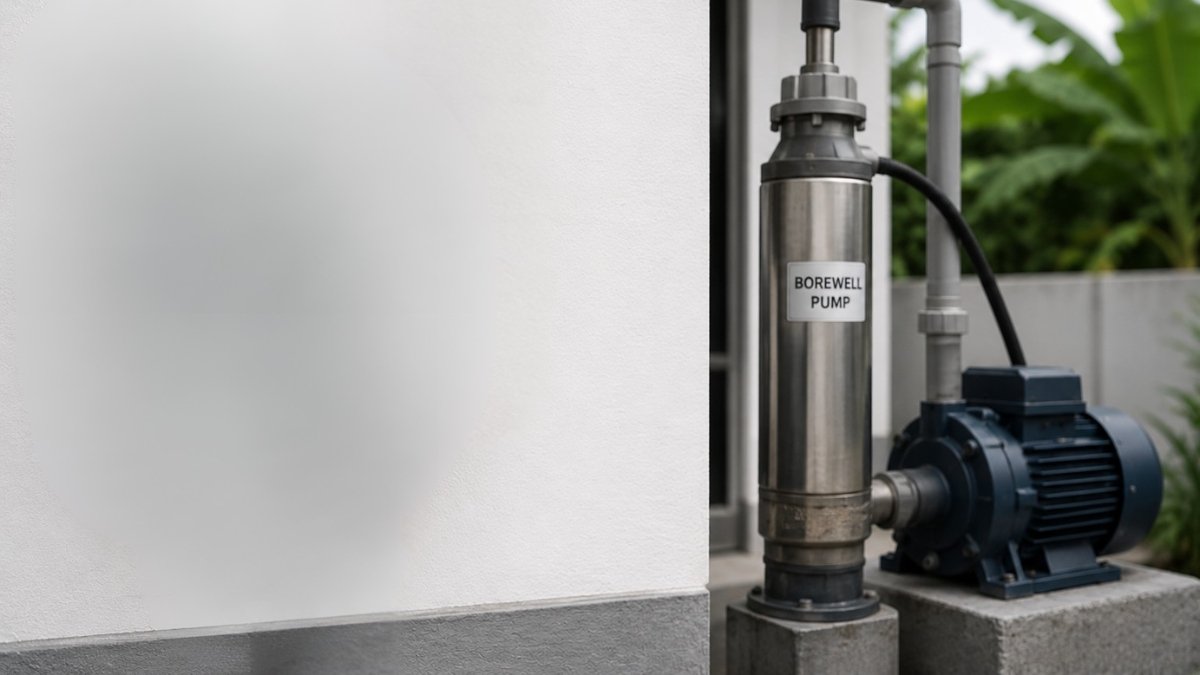
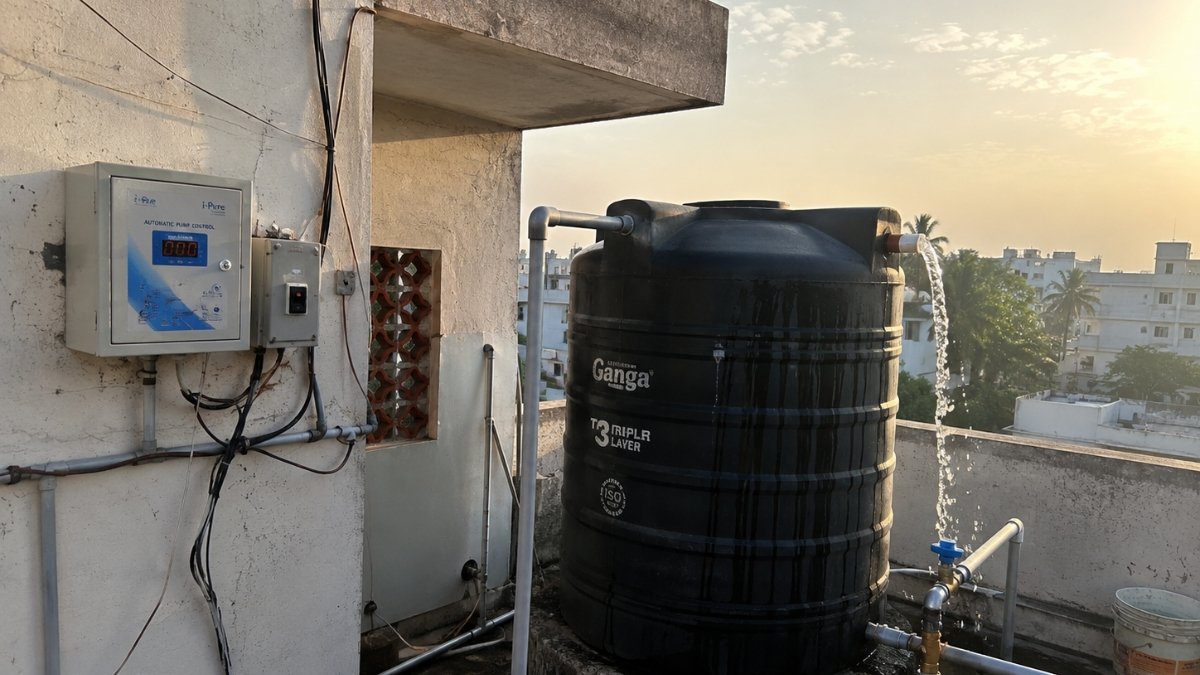
    Every June, the same thing happens across millions of Indian homes. The first heavy showers arrive, the streets flood, the air smells of wet earth, and somewhere in an apartment building in Chennai or a standalone house in Pune, a water pump quietly gives up. Not because it was old. Not because it was cheap. Simply because nobody thought to prepare it for what the monsoon actually does to electrical and mechanical systems.

    If you’ve lived through a pump failure in the middle of July, you already know the panic. No water for cooking. No water for the bathrooms. A motor that hums but doesn’t move a drop. A technician who can’t come for three days because every other pump in the neighbourhood has the same problem.

    This checklist exists so that it doesn’t happen to you again.

    Why the Monsoon Is Harder on Pumps Than You Think

    Most homeowners assume the monsoon is just rain. What it actually brings is a perfect storm of electrical and mechanical stress that pumps weren’t designed to handle without preparation.

    Voltage fluctuations become extreme. When heavy rain causes trees to fall on power lines, when transformer loads spike because everyone turns on their appliances, when your locality switches between grid phases, your pump motor bears the brunt. Sudden voltage surges can fry the motor windings in seconds. Prolonged undervoltage makes the motor overheat as it strains to run at a fraction of its rated power.

    Humidity accelerates corrosion. The electrical panels, wiring connections, and motor housings around your pump are exposed to dramatically higher ambient moisture during the monsoon. Corrosion on terminals creates resistance, generating heat that degrades insulation and leads to short circuits.

    Flooding brings contamination. If your pump room, sump, or borewell casing gets flooded, even briefly, silt, debris, and bacteria enter the system. This clogs impellers, jams float valves, and forces the motor to work harder than it ever should.

    Dry-run risk goes up, not down. Counterintuitively, borewells often show reduced water levels in the early monsoon before the aquifer recharges. If your pump runs dry because the float switch fails or the water level sensor isn’t working, the motor overheats and burns out within minutes.

    Knowing this, here’s how to prepare systematically before the season hits.

    Before the Monsoon: Your Pre-Season Checklist

    1. Inspect Your Pump Room and Sump for Water Ingress

    Walk into your pump room and look at the floor, walls, and ceiling. Check for:

    • Any cracks in the wall or floor that allow water seepage
    • Signs of previous flooding, salt deposits, rust stains, and water marks
    • Gaps around cable entry points into the motor panel

    Seal every gap you find with waterproof putty or silicone sealant. If your pump room is at or below ground level, consider installing a small drainage channel with a gutter to redirect water away from the motor and panel.

    For open sumps, check that the lid or grating is intact. An uncovered sump during heavy rain is an invitation for debris, leaves, and surface runoff to contaminate your water supply and jam your pump.

    2. Clean the Sump and Intake Strainers

    This is the most skipped step on every list, and the one that causes the most damage.

    Drain your sump completely if possible, and clean the interior walls. Silt and biofilm that builds up over the dry season will be churned into your system the moment heavy rain hits. Clogged intake strainers cause the pump to work against restricted flow, raising motor temperature.

    Clean or replace the foot valve strainer at the intake. If it’s more than two years old and you’ve never replaced it, do it now. A ₹200 strainer can save a ₹15,000 motor.

    3. Check All Electrical Connections at the Motor Panel

    Switch off the mains before you do anything here, or ask a qualified electrician to do this for you.

    Look at every terminal inside the motor starter panel:

    • Tighten any loose connections. Loose terminals arc during voltage fluctuations, causing localized heat damage.
    • Check for signs of corrosion. Green or white deposits on copper terminals indicate oxidation. Clean with fine sandpaper and apply an anti-corrosion contact spray.
    • Inspect the insulation on all wiring. Any wire with cracked, brittle, or missing insulation near the motor or panel needs to be replaced before the monsoon. Damaged insulation in a humid environment is a short circuit waiting to happen.
    • Verify that the earthing connection is solid. Pull gently on the earth wire, it should be firmly connected at both the panel and the motor body. Good earthing is your last line of defense if something goes wrong electrically.

    4. Test Your Float Switch and Water Level Sensors

    Your pump’s float switch is a simple mechanical device, a ball connected to a lever that cuts power when the overhead tank is full and restores it when the tank empties. After months of use, the float can become waterlogged, the lever can seize, or the contacts inside can corrode.

    Test it manually: lift the float by hand and listen for the click of the contacts. Then let it drop and listen for the other click. If you don’t get a clean response, replace the float switch. This is not the place to take chances.

    If your system uses an electronic water level controller with tank sensors, check that the sensor probes are clean and not coated with mineral deposits or algae. A dirty sensor gives false readings, your pump may not start when the tank empties, or it may keep running when the tank is full and overflow water all night.

    5. Verify Your Dry-Run Protection Is Working

    This one deserves a section of its own because it’s the single most common cause of monsoon pump failures.

    Dry-run protection, whether through a pressure switch, a flow sensor, or a current-sensing relay, detects when your pump is running without water and cuts the power before the motor overheats. But these protection devices need periodic testing.

    To test a pressure-switch-based dry-run protector: close the valve at the pump outlet and watch whether the pump shuts off within 30–60 seconds. If it keeps running, the switch may be stuck or miscalibrated.

    If your pump does not have dry-run protection at all, this monsoon season is a strong reason to add it. Modern pump controllers like the Evolve Safe Pump series include built-in dry-run detection, voltage protection, and automatic restart, all in one unit. If you’re still relying on a manual starter with no protection features, upgrading before the rains is one of the best investments you can make.

    6. Install or Inspect Your Voltage Protection

    Voltage fluctuations during the monsoon are not occasional events, in most Indian towns and cities, they’re a near-daily occurrence. A pump motor that is nominally rated for 230V can see spikes of 280–300V during line disturbances, or sag to 160V during brownouts.

    Operating outside the safe voltage range causes:

    • Overvoltage: Insulation breakdown, capacitor failure in single-phase motors, winding damage
    • Undervoltage: Excessive current draw, overheating, motor stall

    A voltage protector or pump controller with under/over voltage cutoff will disconnect the pump automatically when voltage goes outside the safe operating range, and reconnect automatically once it stabilizes. This single feature prevents the vast majority of monsoon motor failures.

    If you don’t currently have this protection on your pump circuit, fit it before the first heavy rain.

    During the Monsoon: What to Monitor Week by Week

    Preparation before the season is essential, but the monsoon lasts three to four months. Here’s what to keep an eye on.

    Watch your motor temperature. If the motor body feels unusually hot to the touch after running, hotter than it did during the dry months, something is wrong. Common causes are a clogged intake, a failing capacitor, or voltage issues. Don’t ignore it.

    Listen for unusual sounds. A healthy pump is consistent in its sound. A new grinding, rattling, or cavitation noise (a rapid clicking sound from the pump head) indicates a mechanical problem, often debris in the impeller or a failing bearing. Catch it early, and you’ll pay for a service call. Ignore it, and you’ll pay for a replacement.

    Check your sump level during heavy rain. If your borewell or municipal supply is disrupted during a storm, the sump will empty faster than usual. If your dry-run protection fails to respond, your pump motor can burn out within minutes. During heavy rain periods, check sump levels manually if you’re uncertain about your level sensors.

    Clear debris after every major storm. Leaves, twigs, and sediment accumulate around sump openings and strainers during heavy rain. A clogged strainer is the express route to a dry run and a burnt motor.

    Check for water ingress in your panel. After every significant downpour, open your motor panel and look for signs of moisture, drops on the interior surfaces, fogged glass if there’s an indicator lamp, or rust developing on steel parts. If water is getting in, seal the entry point immediately and dry the panel before switching it back on.

    Common Monsoon Pump Problems and What They Usually Mean

    Symptom Likely Cause What to Do
    The pump runs, but no water flows Dry run (empty sump or borewell), clogged foot valve Check water level, clean strainer, test dry-run protection
    The pump trips the MCB repeatedly Motor overload, wiring fault, voltage issue Check voltage at the panel, inspect wiring, and check for a blocked impeller
    Motor hums but doesn’t start Failed starting capacitor (single-phase) Replace the capacitor, common after voltage surges
    The pump starts and stops rapidly Waterlogged pressure tank (for booster pumps), faulty float switch Check float switch operation, check tank pre-charge pressure
    Motor runs hot Undervoltage, blocked intake, failing bearing Check supply voltage, clean intake, call a technician
    Water has a muddy colour or a bad smell Sump contaminated, borewell flooded Drain and clean the sump, disinfect with a chlorine solution, and do not drink until tested

    A Word on Automatic Pump Controllers

    If there’s one upgrade that makes every item on this checklist easier to manage, it’s a good automatic pump controller.

    A basic manual starter offers nothing but an on/off switch. Every protection decision, against dry run, against voltage spikes, against overload, relies on you being present and alert. During the monsoon, when problems tend to happen at 2 am during a storm, that’s not a reliable safety net.

    Modern pump controllers like the Evolve AiCon and Safe Pump range are designed specifically for Indian power and water conditions. They combine automatic water level management, dry-run protection, under/over voltage cutoff, overload protection, and auto-restart in a single unit. You set them up once, and they handle the protection decisions automatically, even when you’re not home.

    For homeowners who’ve dealt with repeated pump failures or who are setting up a new home and want to do it right from the start, this is the most impactful single change you can make to your water management setup.

    After the Monsoon: Post-Season Maintenance

    Once the rains ease off and October approaches, take an hour to do a quick post-season inspection.

    Clean your sump again. Three to four months of monsoon water have deposited silt, organic matter, and possibly microbes into your sump. Clean it before you go into the dry season.

    Check for corrosion damage on connections. Even with all your precautions, a humid season leaves traces. Look at every terminal connection in the motor panel and tighten or clean anything that looks suspect.

    Service the motor if it’s more than two years old. Bearing lubrication degrades over time. If your motor is due for a service, the post-monsoon period, before the demands of the dry season, is the right time to schedule it.

    Test your protection devices. Dry-run protection, float switches, voltage protection- run through the tests once more so you know they’re ready for whatever comes next.

    Quick-Reference Checklist

    Before the monsoon:

    • Seal the pump room against water ingress
    • Clean sump and intake strainers
    • Inspect and tighten all electrical connections
    • Check earthing
    • Test float switch and water level sensors
    • Verify dry-run protection operation
    • Install or test voltage protection

    During the monsoon:

    • Monitor motor temperature weekly
    • Listen for unusual pump sounds
    • Check sump levels during heavy rain
    • Clear debris from strainers after storms
    • Inspect the panel for moisture after major downpours

    After the monsoon:

    • Clean sump
    • Inspect connections for corrosion
    • Service motor if due
    • Re-test all protection devices


    The monsoon is predictable. The damage it causes doesn’t have to be. An afternoon of preparation before the rains arrive is worth far more than the cost of a burnt motor, a flooded panel, or three days without water in July.

    If you’d like to explore how Evolve’s pump controllers and protection systems can take the guesswork out of monsoon preparedness, visit evolve.ind.in or reach out to our team.

  • Best Smart Irrigation Solutions for Indian Farmers in 2026

    Best Smart Irrigation Solutions for Indian Farmers in 2026

    Let me paint a picture you might recognise.

    It’s 4 in the morning. A farmer in Tamil Nadu has set an alarm, not to catch a flight, but to walk out to the field and switch on an irrigation pump. He’ll repeat this at 6 AM to turn it off. He’s been doing this for fifteen years.

    This isn’t unusual. Across India, millions of farmers manage irrigation the same way their fathers did, manually, by instinct, by exhaustion. That dedication deserves respect. But the honest question is: what does it cost? In water wasted, electricity bills, crops lost to uneven hydration, and pumps burned out from dry runs?

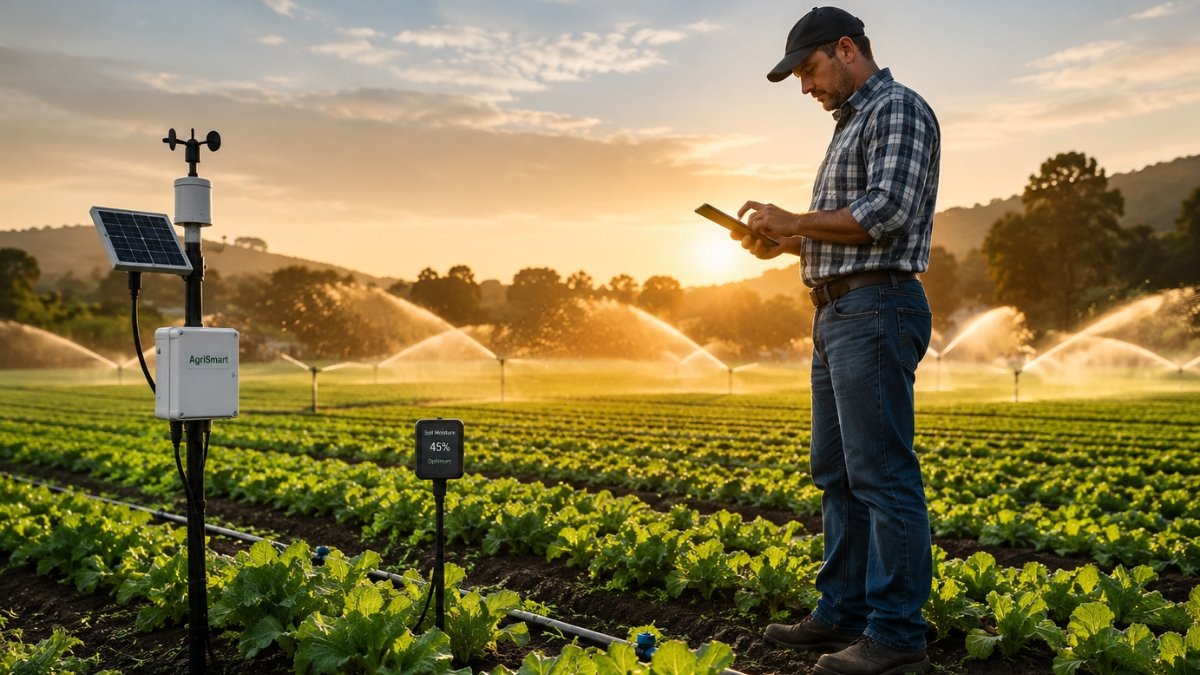
    Smart irrigation technology has been promising to change this for a decade. Now the hardware has finally caught up. Evolve, based in Coimbatore and part of Akira Controls, builds solutions designed for the realities of Indian agriculture, not imported concepts retrofitted from Western markets.

    The Real Problem with Traditional Irrigation

    Traditional irrigation in India suffers from three interconnected problems.

    Water waste is the most visible. Over-watering causes waterlogging, root diseases, and nutrient washout. Under-watering stunts growth. Without sensors or smart scheduling, manual irrigation is essentially guesswork dressed up as routine.

    Pump damage is the quieter, more expensive one. Dry runs, where a pump operates without water, destroy motors that cost tens of thousands of rupees. Voltage fluctuations and phase failures compound the damage. Most farmers discover the problem only after it’s too late.

    Time and labour complete the picture. The farmer waking at 4 AM isn’t just losing sleep; that time has a real opportunity cost. Remote monitoring and automated scheduling don’t just add convenience. They return hours that could go toward other work, rest, or family.

    AiCon AX3: Irrigation Automation at Scale

    For farmers managing large operations with multiple zones, the Evolve AiCon AX3 is the centrepiece of a genuinely modern farm setup.

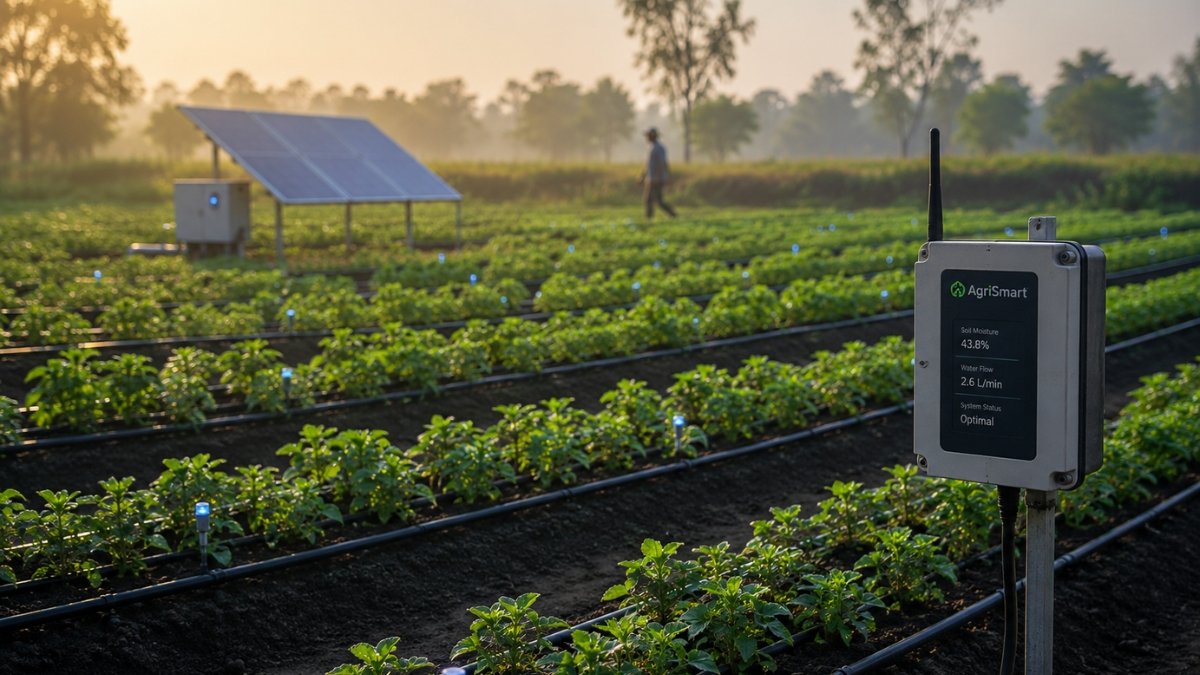
    A single master controller handles up to 64 valves, each independently schedulable through a calendar interface. You can run time-based irrigation for staple crops or volume-based scheduling for high-value vegetables; the system adapts to what each zone needs. Integration with local weather data means the controller can factor in recent rainfall before deciding whether a scheduled cycle should run.

    Real-time flow and pressure sensors feed data back continuously. Daily, weekly, and monthly reports with graphical analysis let you see exactly how much water each zone consumes and make better decisions season over season, visibility that simply doesn’t exist with manual irrigation.

    Remote monitoring via mobile app, web interface, and IVRS messaging puts control in your hands wherever you are. Built-in motor protection guards against dry runs and voltage faults, and the system integrates seamlessly with solar pump setups for farmers transitioning under schemes like PM-KUSUM.

    GSM Remote Control: The Practical First Step

    Not every farm needs 64 valves. Many farmers have a single pump and one genuine need: to start and stop it without being physically present.

    The AiCon AX2 GSM Starter does exactly that. Through SMS, a phone call, or an app, you can remotely control your pump and receive real-time status updates, voltage, current, and active fault conditions. If there’s a dry run, overload, or phase failure, you get an immediate alert. Only authorised phone numbers can control the system, so security isn’t a concern.

    For a small or medium farmer, this is the most impactful single upgrade available. It doesn’t require extensive installation, slots into existing pump setups as a retrofit, and eliminates the need to be physically present for routine pump management.

    Water Level Management: Protecting Pumps and Water Together

    One underappreciated challenge in Indian farm water management is coordinating pump operation with actual water availability. Running a pump when the source is low burns the motor. Letting tanks overflow wastes water and energy.

    The Aicon LC1 and LC2 water level controllers handle this automatically, working with both single-phase and three-phase pumps. The LC2 is wireless, useful for installations where running cable is impractical.

    For farms where the water source is some distance from the pump panel, the AP-104 + AT-101 LoRa wireless system extends reliable communication up to 1.5 km using long-range, low-power wireless technology. No cellular coverage required, the battery-operated transmitter handles sensor communication independently. Multiple configurations support different setups, from basic level control to municipal water sensing to retrofit solutions for existing starters.

    For larger installations, multi-building complexes, resorts, or institutional campuses, the Aicon MC1 Multi-Tank Controller manages up to 8 tanks from a single pump with 2 km LoRa range. The mobile app (Android and iOS) provides a live overview of all tanks, motor runtime, and daily, weekly, and monthly consumption data. Solar-powered sensors are available for off-grid installations.

    Pump Protection: Your Motor Is Your Most Expensive Asset

    All irrigation intelligence fails if the pump burns out first.

    Indian agricultural settings are particularly hard on motors. Voltage fluctuations are common, phase failures happen, and submersible pumps face dry runs when water levels drop unexpectedly. Evolve’s Safe Pump Experience range builds protection directly into the motor starter.

    The ST 10X series covers single-phase submersible pumps against overload, dry run, and voltage fluctuations. The ST 30X range handles three-phase systems from DOL starters up to 7.5 HP to Star-Delta configurations from 10 to 75 HP, covering the full spectrum of agricultural pump loads.

    The Dual Pump (DP) series adds AI-driven sequencing for two-pump installations, using patented technology to optimise water filling cycles and extend motor life, with a manual bypass ensuring continued operation if the controller develops a fault.

    For smaller setups, the FS-01 Flexi Starter provides straightforward voltage protection for single-phase (90V–300V) and three-phase (270V–490V) systems.

    Pressure Boosters: Consistent Flow for Drip and Sprinkler Systems

    Drip irrigation and sprinkler systems depend on consistent pressure to work correctly. Variable pressure means uneven distribution, which defeats the purpose of precision irrigation entirely.

    Evolve’s pressure booster range addresses this directly. The AB-101 handles single-phase booster and monoblock pumps with digital pressure control for domestic and small agricultural applications. The Twin Booster TB 101/301 scales this to single-phase systems up to 3 HP and three-phase systems up to 50 HP for larger farms and commercial properties.

    For the most demanding agricultural setups, the Aqua Booster AB3XX manages up to 6 pumps with intelligent sequencing that equalises runtime across all connected motors, extending life and maximising efficiency. It’s designed specifically for large-scale agricultural sprinkler systems, with an embedded HMI for straightforward on-site monitoring.


    The Coimbatore Advantage

    It’s worth noting that Evolve isn’t an imported brand, but retrofitting solutions built for European farms. They’re a Coimbatore company, the hub of Indian pump manufacturing, with a deep understanding of Indian voltage realities and agricultural water challenges built directly into their products.

    Conclusion: The Time to Switch Is Now

    Indian agriculture is at a turning point. Groundwater levels are falling. Rainfall patterns are shifting. Input costs are rising. And yet, in many fields, the irrigation method hasn’t meaningfully changed in a generation.

    Smart irrigation isn’t a luxury reserved for large corporate farms or tech-savvy growers. The solutions covered in this blog, from a simple GSM remote starter that costs a fraction of a pump replacement to the AiCon AX3, which manages 64 zones with weather-aware scheduling, are practical, proven, and built specifically for Indian conditions.

    The return on investment is real. Less water wasted means lower electricity bills and a longer-lasting water source. Protected pumps mean fewer emergency replacements. Automated scheduling means hours returned to the farmer every single week. And when drought seasons bite harder, precise irrigation could be the difference between a viable harvest and a failed one.

    The technology exists. It’s affordable. It’s available on Amazon and Flipkart today. What’s left is simply the decision to stop doing things the hard way.

    The farmer who has been waking at 4 AM for fifteen years deserves better. So does the land that feeds us all.

  • Do You Need a Voltage Stabilizer for Your AC?

    Do You Need a Voltage Stabilizer for Your AC?

    Air conditioners have become an essential part of modern homes and offices, especially in regions where summers are intense. While most people focus on choosing the right AC capacity and energy rating, one important question often gets overlooked:

    Do you really need a voltage stabilizer for your AC?

    The answer depends on your area’s power quality, the type of AC you own, and how often voltage fluctuations occur. Understanding the risks can help you avoid expensive repairs and extend the life of your air conditioner.

    Understanding Voltage Fluctuations

    The electricity supplied to homes is designed to operate within a specific voltage range. However, real-world conditions such as power cuts, overloaded transformers, lightning strikes, and faulty electrical infrastructure can cause voltage levels to rise or fall unexpectedly.

    These fluctuations may seem harmless, but they can significantly affect sensitive appliances like air conditioners. Components such as compressors, circuit boards, and motors are particularly vulnerable to an unstable power supply.

    This is where power protection becomes crucial.

    What Happens When Your AC Receives Unstable Voltage?

    When the voltage drops below the recommended level, your AC compressor has to work harder to maintain cooling performance. Over time, this can lead to overheating, increased energy consumption, and premature failure.

    On the other hand, sudden voltage spikes can instantly damage electronic components. Repairing or replacing these parts can be expensive and inconvenient.

    Common problems caused by voltage fluctuations include:

    • Compressor damage
    • PCB (Printed Circuit Board) failure
    • Reduced cooling efficiency
    • Unexpected shutdowns
    • Increased electricity consumption
    • Shortened appliance lifespan

    Do Modern Inverter ACs Need a Stabilizer?

    Many modern inverter air conditioners come with built-in voltage protection. Manufacturers often advertise a wide operating voltage range, leading many homeowners to believe an external stabilizer is unnecessary.

    However, built-in protection has limitations.

    While it can handle minor fluctuations, it may not provide complete surge protection during severe voltage spikes, lightning-induced surges, or prolonged low-voltage conditions.

    If your area experiences frequent power issues, relying solely on internal protection may not be enough.

    When Should You Use a Voltage Stabilizer?

    A voltage stabilizer is strongly recommended if:

    1. Your Area Experiences Frequent Voltage Fluctuations

    If lights flicker regularly or other appliances are affected by power instability, your AC is likely facing the same issue.

    2. You Live in Areas with Frequent Power Cuts

    Repeated power interruptions often create voltage surges when electricity returns.

    3. Your Home Has Heavy Electrical Loads

    Large appliances operating simultaneously can cause voltage drops that affect air conditioner performance.

    4. Your AC Manufacturer Recommends One

    Some AC brands still recommend external stabilization for optimal performance and warranty protection.

    Stabilizer vs Surge Protector: What’s the Difference?

    Many people assume a stabilizer and surge protector serve the same purpose. They do not.

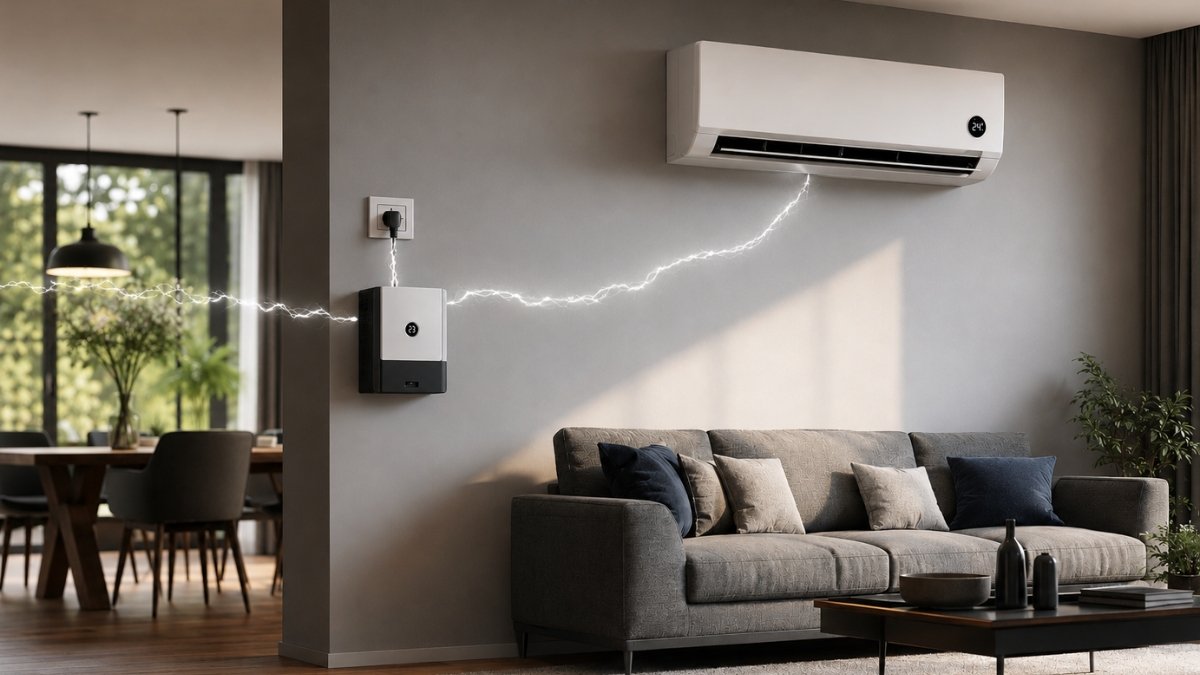
    A voltage stabilizer regulates incoming voltage and maintains a safer operating range for your appliance.

    A surge protector primarily shields equipment from sudden voltage spikes.

    For complete voltage appliance protection, both voltage regulation and surge protection are important. A comprehensive protection solution helps safeguard your investment against a wide range of electrical disturbances.

    Benefits of Installing Voltage Protection for Your AC

    Investing in proper power protection offers several advantages:

    Enhanced Equipment Life

    Stable voltage reduces stress on compressors and electronic components.

    Better Cooling Performance

    Your AC operates more efficiently when supplied with consistent power.

    Lower Maintenance Costs

    Protection from voltage-related damage helps reduce expensive repairs.

    Improved Energy Efficiency

    Electrical components perform optimally when operating within their designed voltage range.

    Peace of Mind

    You can use your air conditioner confidently, knowing it is protected against unpredictable electrical conditions.

    Why Voltage Appliance Protection Matters Beyond Air Conditioners

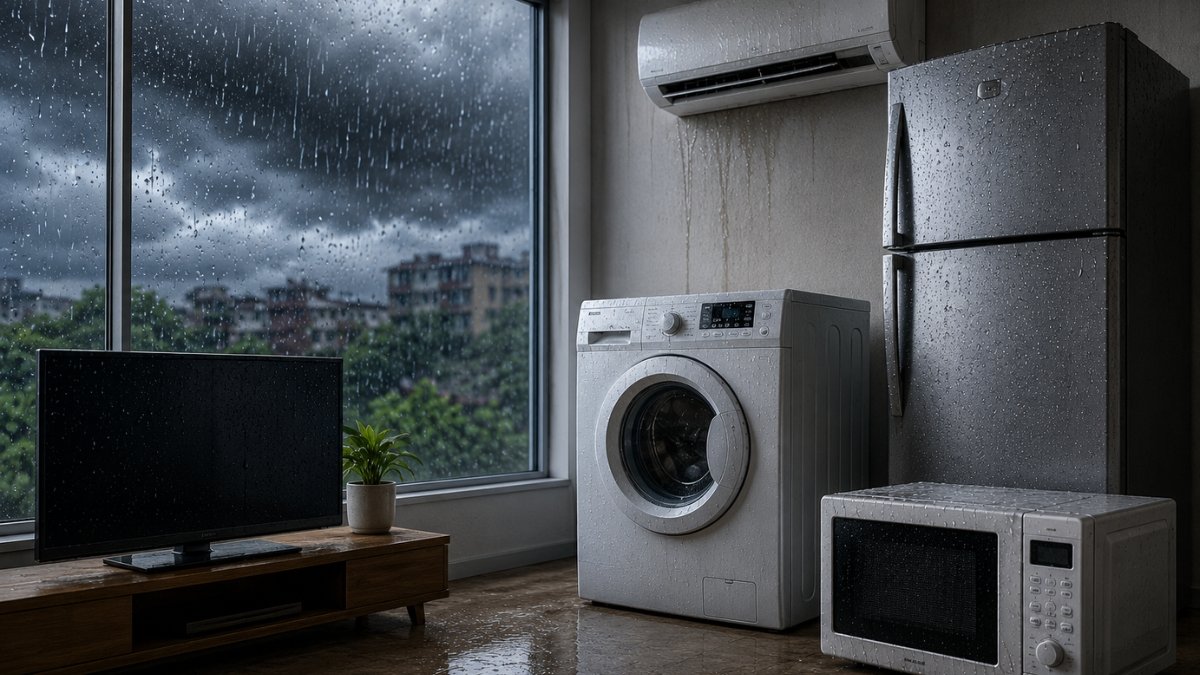
    Your AC is not the only appliance vulnerable to power disturbances. Refrigerators, washing machines, televisions, and other household electronics can also suffer from voltage fluctuations.

    This is why many homeowners are moving towards integrated water and power management solutions that combine appliance safety, electrical protection, and efficient resource management under a single system.

    A comprehensive approach ensures your entire home remains protected from electrical risks while improving overall operational efficiency.

    How to Choose the Right Protection Solution

    When selecting a protection device for your AC, consider:

    • Operating voltage range
    • Surge handling capacity
    • Response time
    • Compatibility with inverter and non-inverter ACs
    • Reliability of the brand
    • Additional safety features

    A quality solution should provide both surge protection and effective voltage protection for appliances to ensure long-term reliability.

    Final Thoughts

    So, do you need a voltage stabilizer for your AC?

    If your power supply is perfectly stable and your AC has advanced built-in voltage tolerance, you may not need a separate stabilizer. However, in areas where voltage fluctuations, power cuts, and electrical surges are common, additional power protection can significantly reduce the risk of costly damage.

    Considering the high cost of air conditioner repairs and replacements, investing in reliable voltage appliance protection is often a smart decision rather than an unnecessary expense.

    For homeowners looking for dependable power protection, surge protection, and complete water and power management solutions, choosing a trusted appliance protection system can help keep valuable appliances running safely and efficiently for years to come.

    Explore advanced appliance protection solutions from Evolve Appliance Protection to safeguard your AC and other essential household appliances.

  • Water and Power Management Solutions: Why Smart Resource Management Matters More Than Ever

    Water and Power Management Solutions: Why Smart Resource Management Matters More Than Ever

    Walk into most Indian homes, and you’ll find the same story playing out quietly in the background: a water pump that runs too long and burns out before its time, a voltage spike during a storm that silently damages the refrigerator or television, a borewell controller that has no idea whether the tank is full or empty. These aren’t dramatic failures. They’re slow, invisible drains on your appliances, your electricity bill, and your peace of mind.

    The good news? Every single one of these problems is solvable. And the solution isn’t complicated; it’s smart.

    The Real Cost of “Just Getting By”

    Most of us have been conditioned to treat power surges and pump overruns as facts of life. The voltage fluctuates; that’s just how it is in India. The pump runs dry sometimes; it happens. We replace the appliance, grumble about the expense, and move on.

    But what if we stopped accepting those losses as normal?

    A single voltage spike can shorten the lifespan of an air conditioner compressor by years. A pump that runs dry even a few times a month wears out its motor far faster than it should. Water that overflows because there’s no level controller in place isn’t just wasted; it’s electricity wasted too, running a pump that didn’t need to run.

    Across millions of homes and farms in India, these small inefficiencies add up to a staggering amount of avoidable damage and waste. Smart resource management isn’t about going green for the sake of it. It’s about protecting what you’ve already paid for.

    What Smart Water Management Actually Looks Like

    In Indian households, water management tends to be either manual or guesswork. Someone climbs up to check the overhead tank. The pump runs until someone remembers to switch it off. Irrigation happens on a fixed schedule regardless of whether the soil actually needs water.

    Modern water management solutions change all of that.

    Smart pump controllers can automatically detect when a tank is full and cut off the motor, no overflow, no wasted electricity, no dry-run damage. Multifunction water level management systems monitor your storage in real time and give your pump exactly the instructions it needs, nothing more. For agriculture, waterwise irrigation controllers take the guesswork out of when and how much to water, helping farmers use significantly less water without sacrificing crop yield.

    These aren’t luxury features. In a country where water scarcity is a growing reality and electricity is expensive, they’re practical tools that pay for themselves.

    Power Protection: The Problem Hiding in Your Walls

    India’s power grid is improving, but voltage fluctuations remain a daily reality across much of the country, especially during peak demand hours, monsoon season, and in areas far from urban centres.

    The damage this causes is real and ongoing. Sensitive electronics are the first to suffer. Modern inverter ACs, washing machines, smart TVs, and refrigerators are designed to operate within tight voltage tolerances. When the supply drifts outside those limits, even briefly, internal components degrade. Sometimes the appliance fails immediately. More often, it just gets quietly worse over time, until one day it stops working and no one can explain why.

    Voltage regulators and appliance protection devices act as a buffer between unstable grid power and your valuable equipment. They stabilise incoming voltage, protect against sudden spikes and surges, and in some cases can automatically switch between phases when one phase drops out, a feature that’s invaluable for homes and small businesses dealing with frequent single-phase failures.

    With the rapid adoption of electric vehicles across India, EV protection has become a new frontier. EV charging systems are sensitive, expensive, and often running overnight when no one is watching. Dedicated EV protectors ensure that your vehicle charges safely, regardless of what the grid is doing at 2 AM.

    Why This Matters Especially in India Right Now

    India is in the middle of a massive electrification wave. More appliances, more EVs, more solar installations, more small and medium businesses running sophisticated equipment. All of this is happening on a grid that is expanding but still uneven in quality.

    At the same time, water stress is intensifying. Groundwater levels are falling in many states. Borewells are going deeper. Municipalities are under pressure. For farmers, every litre of water is money, and every hour of pump operation is a fuel or electricity cost.

    In this context, smart water and power management isn’t a nice-to-have. It’s a practical necessity for anyone who wants to protect their investments, lower their operating costs, and stop accepting preventable losses as the cost of doing business.


    Smarter Choices Start at Home

    The shift toward intelligent resource management doesn’t require a massive overhaul. It starts with one decision at a time: choosing a pump controller that protects your motor instead of running it until it fails, opting for appliance protection that stands between your electronics and an unpredictable grid, or installing a pressure booster that ensures consistent water flow without overworking your system.

    These are small changes with outsized impact. And in a country where resources are precious, and grid reliability is still catching up, making those smarter choices isn’t just good for your home or your farm; it’s good thinking, full stop.

    At Evolve, we build products for exactly this reality: smart, reliable solutions that protect your water systems and your appliances from the everyday unpredictability of Indian infrastructure. Because managing resources well isn’t about doing more. It’s about losing less.

  • The Future of Farming: How Smart Wireless Irrigation Systems Are Changing Everyday Agriculture

    The Future of Farming: How Smart Wireless Irrigation Systems Are Changing Everyday Agriculture

    A farmer in Tamil Nadu once explained irrigation in the simplest possible way.

    “Some days the field asks for water. Some days it doesn’t. The hard part is figuring out which day is which.”

    That sentence sticks because it captures the reality of farming better than most technical explanations ever could.

    For years, irrigation decisions were built on experience, observation, and routine. Farmers walked their land, checked the soil by hand, watched the sky, and trusted patterns they had learned over decades. But farming today feels different. Rainfall shifts unexpectedly. Summers last longer. Electricity costs climb. Labor is harder to find.

    The old methods still matter, but they are no longer enough on their own.

    That’s one of the biggest reasons smart wireless irrigation systems are becoming part of modern agriculture. Not because farmers suddenly want more technology, but because managing water has become too important to leave to guesswork.

    Farming Has Become More Unpredictable

    Most people outside agriculture assume irrigation is simple. Turn the water on. Turn it off.

    In reality, even small irrigation mistakes can affect an entire season.

    Too much water can weaken roots, waste electricity, and create conditions where disease spreads faster. Too little water stresses crops during critical growth stages. Sometimes the damage is visible immediately. Sometimes it only shows up later during harvest.

    What makes things harder now is unpredictability.

    A field that needed irrigation every three days a few years ago may behave completely differently today because of changing temperatures and inconsistent rainfall. Farmers are constantly adjusting.

    On larger farms, this becomes exhausting. One area may still hold enough moisture after light rain, while another section dries out quickly under direct sunlight. Managing that manually takes time and constant monitoring.

    That’s where smart wireless irrigation systems start making practical sense.

    The Problem With Fixed Irrigation Schedules

    Many traditional irrigation systems still run on fixed timings.

    For example, watering starts every morning at 6 AM for a set number of hours, whether the soil actually needs it or not.

    That approach worked reasonably well when weather conditions were more stable. Today, it often leads to wasted water and unnecessary pump usage.

    There’s also the issue of human limitation.

    Even experienced farmers cannot physically monitor every corner of a large property all day long. A leaking pipeline, uneven watering, or pump issue may go unnoticed for hours.

    And usually, irrigation problems don’t happen at convenient times.

    They happen late at night. During unexpected rain. Or when someone is already dealing with ten other farm tasks.

    Most farmers are not looking for complicated technology. They simply want better visibility and more control without adding more daily stress.

    What Makes Smart Irrigation Different

    A smart wireless irrigation system works by collecting real-time information from the field and using that data to improve irrigation decisions.

    The system may monitor:

    • Soil moisture
    • Temperature
    • Humidity
    • Weather conditions
    • Water flow levels

    Instead of relying only on preset schedules, irrigation can respond to actual field conditions.

    If moisture levels are already sufficient after rainfall, watering can be delayed automatically. If one section of land dries faster than another, irrigation can be adjusted zone by zone.

    That level of precision matters more than people realize.

    Farmers are no longer watering blindly. They’re responding to what the field actually needs.

    Wireless connectivity also changes how farms are managed day to day.

    A farmer doesn’t necessarily need to travel across the property every time they want to check irrigation status. Monitoring can happen remotely through a mobile device or dashboard.

    For many operations, that alone saves hours every week.

    Why Farmers Are Slowly Moving Toward Smarter Systems

    Most agricultural technology trends come with a lot of hype. Farmers hear big promises every season.

    That’s why adoption usually happens slowly.

    People want proof.

    The reason smart wireless irrigation systems are gaining attention is because the benefits are visible in everyday operations, not just marketing presentations.

    Water usage becomes easier to track.

    Electricity waste is reduced because pumps are not running longer than necessary.

    Irrigation schedules become more flexible during changing weather.

    And perhaps most importantly, farmers spend less time worrying about whether the field is getting the right amount of water.

    That mental load matters more than most discussions about technology acknowledge.

    Agriculture already demands constant decision-making. Anything that reduces uncertainty without making operations more complicated becomes valuable very quickly.

    How Evolve Solutions Fit Into Modern Agriculture

    At Evolve, the focus is not on adding technology for the sake of appearance.

    The goal is to support practical farm operations with systems that are reliable, manageable, and useful in real conditions.

    Agricultural environments are demanding. Equipment must continue functioning through heat, dust, rain, and long working hours. Farmers don’t need systems that look impressive during demonstrations but become difficult to manage later.

    Evolve solutions are designed to help improve irrigation visibility and control while keeping the experience straightforward.

    That means farmers can monitor conditions more efficiently, respond faster to irrigation needs, and manage water usage with greater confidence.

    For larger farms managing multiple irrigation zones, this becomes especially important.

    The idea is not to replace farming knowledge. Experienced farmers already understand their land deeply. Technology simply helps support better timing and faster decisions.

    The Real Benefit Is Better Control

    When people talk about agricultural technology, they often focus heavily on features.

    But most farmers care more about outcomes.

    Can the system help reduce water waste?

    Can it save time?

    Can it make irrigation easier to manage during unpredictable weather?

    Can it help avoid costly mistakes?

    That’s where smart wireless irrigation systems are creating real value.

    They help farmers move away from reactive irrigation toward more informed decision-making.

    And interestingly, many farmers who adopt these systems say the biggest improvement isn’t just efficiency.

    It’s peace of mind.

    Knowing that irrigation conditions can be monitored remotely changes the daily pressure of farm management. Problems can often be identified earlier. Adjustments can happen faster.

    That kind of operational confidence becomes extremely important during critical growing periods.

    Farming Is Becoming Smarter, Not Less Human

    There’s sometimes a misconception that technology removes the human side of farming.

    In reality, the opposite is happening.

    Modern systems still depend heavily on farmer experience and judgment. Technology simply provides better information to work with.

    A smart irrigation system cannot replace years of understanding soil behavior, crop timing, and seasonal patterns. But it can help farmers respond more accurately when conditions change.

    And conditions are changing constantly.

    As agriculture faces increasing pressure around water conservation and operational efficiency, smarter irrigation management will likely become a normal part of farming rather than a specialized upgrade.

    The farms that adapt successfully will not necessarily be the ones with the most technology.

    They’ll be the ones using technology in practical, reliable ways that genuinely support everyday operations.

    For farmers exploring more efficient irrigation management, Evolve provides solutions designed to support modern agriculture with dependable, easy-to-manage systems built around real farming needs.

  • Automatic Pump Control System: Why More People Are Switching to Smart Water Control

    Automatic Pump Control System: Why More People Are Switching to Smart Water Control

    If you’ve ever forgotten to switch OFF your water motor and ended up with an overflowing tank, you already know how frustrating manual pump operation can be. It usually happens on busy mornings or late at night when nobody remembers to check the tank. Apart from wasting water, it also increases electricity bills and slowly affects the motor’s performance.

    That’s exactly why many homes, apartments, factories, and even small businesses are now moving toward an Automatic Pump Control System. It’s one of those things people don’t think about much initially, but once installed, they wonder how they managed without it.

    Instead of manually turning the motor ON and OFF every day, the system handles everything automatically. When the water level drops, the motor starts. When the tank fills up, it stops on its own. Simple, practical, and honestly, a huge relief.

    What Exactly is an Automatic Pump Control System?

    In simple words, an Automatic Pump Control System is designed to operate water pumps automatically based on water levels or pressure conditions.

    For example, imagine your overhead tank is almost empty. Normally, someone in the house has to notice it and switch ON the motor. Later, they need to remember to switch it OFF again once the tank is full.

    With automation, the system does both jobs automatically.

    It continuously monitors the water level and controls the pump without needing human involvement every single time.

    These systems are now commonly used in:

    • Individual houses
    • Apartments
    • Commercial buildings
    • Factories
    • Farms and irrigation setups
    • Hotels and hospitals
    • Water treatment systems

    And honestly, the biggest reason people install them is convenience.

    The Problem with Manual Pump Operation

    A lot of people still use pumps manually because that’s how things have always been done. But over time, manual operation creates several small problems that slowly become expensive.

    Overflowing Water Tanks

    This is probably the most common issue.

    Someone switches ON the motor and simply forgets about it. Water keeps overflowing for minutes — sometimes even hours. Apart from water wastage, it also creates unnecessary electricity consumption.

    Dry Running

    When there’s no water supply, but the motor keeps running, it causes overheating. Over time, this damages the pump badly.

    Frequent Motor Repairs

    Improper usage, sudden voltage fluctuations, and unnecessary running time reduce motor life.

    Daily Hassle

    Honestly, manually checking tanks every day becomes annoying after a point.

    An automated setup solves all these problems quietly in the background.

    Features That Make These Systems Useful

    Modern automation systems are much smarter than older setups. Most good-quality controllers now come with built-in protection and monitoring features.

    Automatic ON and OFF Operation

    This is the main feature people look for. The system starts and stops the motor based on tank levels.

    Dry Run Protection

    A good Motor Protection System prevents the pump from operating without water.

    Voltage Protection

    Low voltage and high voltage are common problems in many areas. Protection features help avoid motor damage.

    Overload Safety

    If the motor draws excess current, the system automatically cuts OFF power to protect the equipment.

    Water Level Monitoring

    Most systems work together with a Water Level Controller to track tank conditions accurately.

    Power Saving

    Since the motor only operates when needed, electricity consumption becomes more efficient.

    Why People Prefer an Automatic Water Pump Controller Today

    One thing people notice immediately after installing an Automatic Water Pump Controller is peace of mind.

    There’s no need to constantly worry about whether the tank is full or whether someone remembered to switch OFF the motor.

    Saves Time

    This may sound small, but automatic operation genuinely makes daily life easier.

    Reduces Water Wastage

    Overflow situations are reduced significantly.

    Protects the Motor

    Motors last longer when they are protected from dry running and voltage problems.

    Lower Electricity Bills

    Since the pump doesn’t run unnecessarily, energy usage becomes more controlled.

    Better Water Management

    Water availability becomes more consistent throughout the day.

    Smart Pump Automation Systems Are Becoming Common Everywhere

    A few years ago, automation systems were mostly seen in industries and commercial buildings. Now, even regular homes are installing Smart Pump Automation Systems because they are affordable and practical.

    In Residential Homes

    Families prefer automated systems mainly because they reduce daily effort.

    In Apartments

    Managing water supply for multiple families manually is difficult. Automation helps maintain smooth operation.

    In Agriculture

    Farmers use automation to control irrigation pumps efficiently, especially during scheduled watering.

    In Industries

    Factories need uninterrupted water supply for cooling systems, cleaning, and production activities.

    In Commercial Buildings

    Hotels, offices, and hospitals depend heavily on automated water systems for continuous operation.

    Why Motor Protection Matters So Much

    Many people only realize the importance of motor protection after facing repair costs.

    A motor isn’t cheap, and repeated failures become expensive very quickly.

    This is why a proper Pump Automation Panel with built-in safety features makes a big difference.

    Good systems protect against:

    • Dry running
    • Single phasing
    • Overheating
    • Voltage fluctuations
    • Excess current flow

    These protections help improve the overall lifespan of the pump.

    Water Level Controllers Play a Big Role

    A Water Level Controller is basically the brain behind automatic pump operation.

    It detects water levels inside tanks and gives commands to start or stop the motor.

    Different types of sensors are used depending on the application.

    Some common types include:

    • Float sensor systems
    • Conductivity-based sensors
    • Ultrasonic sensors
    • Digital level monitoring systems

    In areas where water conservation is important, these controllers help avoid unnecessary wastage.

    Things to Check Before Buying a System

    Not every controller suits every application. Before choosing a system, it’s important to check a few things.

    Motor Capacity

    The controller should support your motor’s power rating.

    Safety Features

    Dry run protection and voltage safety are essential.

    Build Quality

    A strong and durable body improves long-term reliability.

    Ease of Installation

    Simple installation saves both time and maintenance effort.

    Brand Support

    Reliable brands usually provide better service and product life.

    The Future of Pump Automation

    Automation technology is becoming smarter every year.

    Some newer systems now support:

    • Mobile app monitoring
    • Remote motor control
    • Fault alerts
    • Automatic scheduling
    • Energy usage tracking

    As smart homes and smart buildings become more common, automated water control systems will slowly become a standard feature rather than an optional upgrade.

    Final Thoughts

    An Automatic Pump Control System may seem like a small upgrade initially, but in daily life, it solves several common problems.

    From avoiding water overflow to protecting motors and reducing electricity usage, the benefits are practical and long-term.

    Whether it’s for a house, apartment, agricultural setup, or industrial building, automation makes water management easier, safer, and more efficient.

    And once people start using systems like an Automatic Water Pump Controller, Smart Pump Automation System, Motor Protection System, Water Level Controller, and Pump Automation Panel, going back to manual operation usually doesn’t feel worth the effort anymore.

  • Monsoon Season Is Here… But So Are Power Problems

    Monsoon Season Is Here… But So Are Power Problems

    Every year, when the monsoon starts, most of us enjoy the rain, hot tea, cool weather, and those cosy evenings at home. But along with all that, there’s one thing that quietly becomes a headache in many Indian homes: power fluctuations.

    If you’ve ever seen your lights flicker during heavy rain or noticed your TV restarting after a sudden power cut, you already know what I’m talking about.

    And honestly, the scary part is not the power cut itself. It’s what happens when the power suddenly comes back.

    One small voltage spike is enough to affect expensive appliances at home.

    That’s exactly why products like the Evolve AP-105 Appliance Protection Plug are becoming really useful during monsoon season.

    The Monsoon Problem Most Homes Face

    In many areas, especially during heavy rain, electricity becomes unpredictable.

    Sometimes the voltage goes too low. Sometimes it suddenly increases when power returns after a cut. And during thunderstorms, the fluctuations can become even worse.

    At first, it may not look serious.

    Maybe the fan speed changes suddenly. Maybe your fridge makes a strange sound. Maybe the Wi-Fi router switches off and on again.

    But over time, these small electrical problems slowly affect appliances internally.

    The worst part?

    Most damage happens silently.

    You won’t realize anything is wrong until one day the appliance simply stops working.

    One Repair Bill Is Enough to Realize the Importance

    A few months ago, one of my friends had an issue with his refrigerator after continuous power cuts during the rainy season. Initially, he thought it was a minor issue. Later, the technician explained that voltage fluctuation had affected the internal board.

    The repair itself cost thousands.

    That’s when he said something very practical:

    “I spent so much on the appliance… but nothing on protecting it.”

    That line honestly makes sense.

    We spend a lot on buying TVs, washing machines, refrigerators, routers, and kitchen appliances. But most people don’t think about protecting them from unstable electricity.

    What the Evolve AP-105 Actually Does

    The Evolve AP-105 Appliance Protection Plug is designed to handle exactly this kind of situation.

    It works in a very simple way.

    You plug it into the socket, connect your appliance, and the device continuously monitors the voltage supply.

    Whenever the voltage becomes unsafe, either too high or too low, it automatically cuts the power supply to protect the appliance.

    And once the electricity becomes stable again, it reconnects automatically.

    That automatic reconnection feature is honestly very useful during monsoon because nobody wants to keep unplugging and reconnecting appliances every few hours.

    Why This Matters More During the Rainy Season

    Monsoon weather creates unstable electrical conditions in many places.

    During heavy rain:

    • Power cuts happen more frequently
    • Voltage becomes inconsistent
    • Sudden surges can happen when electricity returns
    • Transformers and local lines experience more load issues

    This directly affects electronic appliances.

    Modern appliances are smart, but they’re also sensitive.

    A refrigerator today is not just a cooling box. TVs, washing machines, and even water purifiers now contain electronic boards and sensors that can get damaged easily if voltage is unstable.

    That’s why basic protection is becoming important for everyday homes.

    The Best Part? It’s Simple

    One thing many people like about the AP-105 is that it doesn’t require complicated installation.

    No wiring changes.

    No technical setup.

    No bulky stabilizer occupying space.

    You simply connect it like a regular plug.

    That makes it practical for regular households, rented homes, apartments, and even office setups.

    Appliances Worth Protecting During Monsoon

    Honestly, if an appliance is expensive or runs daily, it’s worth protecting.

    The protection plug can be useful for:

    • Refrigerators
    • Televisions
    • Washing machines
    • Wi-Fi routers
    • Desktop systems
    • Microwave ovens
    • Water purifiers

    Especially refrigerators.

    Because during the monsoon, voltage drops and sudden restarts can put extra stress on compressors.

    Small Device, Big Peace of Mind

    Most people don’t think about voltage problems until something goes wrong.

    That’s normal.

    Electrical damage usually feels like one of those “it won’t happen to me” situations… until it does.

    And during monsoon season, the chances become much higher.

    What I personally like about products like the Evolve AP-105 Appliance Protection Plug is that they quietly do their job in the background.

    You don’t have to constantly monitor anything.

    You just connect it and let it handle the unsafe fluctuations.

    Final Thoughts

    Monsoon season already comes with enough interruptions, traffic, waterlogging, internet issues, and unexpected power cuts.

    Nobody wants appliance repair problems added to that list.

    A simple protection device may look small, but it can help avoid bigger expenses and unnecessary stress later.

    And sometimes, protecting your appliances is less about technology… and more about avoiding that frustrating moment when an expensive device suddenly stops working right after a power fluctuation.


  • How Monsoon Season Affects Your Home Appliances Without a Power Protection Plug

    How Monsoon Season Affects Your Home Appliances Without a Power Protection Plug

    There’s something comforting about the monsoon season. The smell of rain hitting the ground, cooler evenings after weeks of heat, hot tea by the window, it all feels refreshing. But while we enjoy the weather change, our home appliances usually go through a completely different experience.

    Most people only think about appliance damage when something suddenly stops working. One day, the TV doesn’t turn on, the refrigerator starts acting strangely, or the washing machine suddenly shuts down in the middle of a cycle. In many homes, these issues become more common during the monsoon season, and the reason is often ignored: unstable electricity.

    What many homeowners don’t realize is that rain and power fluctuations go hand in hand. During monsoon months, voltage fluctuations, sudden surges, unexpected power cuts, and unstable current become much more frequent. Without an appliance protection plug, your expensive home appliances are directly exposed to these electrical problems every single day.

    Why Power Problems Increase During Monsoon

    Heavy rain affects the electrical infrastructure in many ways. Water exposure, damaged power lines, overloaded transformers, lightning strikes, and local maintenance issues can all disturb the regular power supply.

    This is why, during monsoon season, you may notice:

    • Lights flickering frequently
    • Sudden power cuts
    • Appliances restarting automatically
    • Low voltage during peak rain hours
    • Unexpected high-voltage spikes after power returns

    These changes may seem small at first, but electronic appliances are extremely sensitive internally. Modern appliances contain circuit boards, sensors, compressors, and microprocessors that are designed to work within a safe voltage range. Once voltage crosses that limit, even for a few seconds, damage can begin.

    The Hidden Damage Most People Don’t Notice

    One of the biggest mistakes people make is assuming appliance damage happens instantly. In reality, many electrical problems build up slowly.

    For example, your refrigerator may continue working after repeated voltage fluctuations, but internally the compressor experiences stress every time unstable power hits. Over time, this reduces efficiency and shortens the appliance lifespan.

    The same thing happens with:

    • Televisions
    • Washing machines
    • Air conditioners
    • Microwave ovens
    • Desktop computers
    • Water purifiers
    • Home entertainment systems

    Sometimes the appliance doesn’t fail immediately. Instead, it starts consuming more power, heating excessively, producing strange sounds, or performing poorly.

    By the time people realize there’s a problem, the repair cost is already high.

    What Happens Without an Appliance Protection Plug

    Without a protection plug, appliances remain directly connected to unstable current.

    Imagine heavy rain causes a sudden voltage spike in your area. Your appliance receives that full voltage instantly because there’s nothing stopping it.

    A proper appliance protection plug works like a safety barrier between the power supply and your appliance. When the voltage becomes unsafe, the device automatically cuts off the power connection. Once electricity becomes stable again, it reconnects safely.

    Without this protection, appliances face risks such as:

    1. High Voltage Damage

    Sudden high voltage can burn internal circuits, damage control boards, and affect compressors or motors.

    2. Low Voltage Stress

    Many people only worry about high voltage, but low voltage is equally dangerous. Appliances like refrigerators and ACs struggle to operate properly during low-voltage conditions, which can overheat internal components.

    3. Power Surge Problems

    When electricity returns after a power cut, sudden surges often occur. These surges can instantly damage sensitive electronics.

    4. Shortened Appliance Lifespan

    Even if appliances survive repeated fluctuations, constant electrical stress slowly reduces their lifespan.

    5. Expensive Repairs

    Replacing a circuit board or compressor can cost thousands of rupees. In many cases, repair charges become almost equal to buying a new appliance.

    Why Monsoon Season Is Especially Risky for Modern Homes

    Years ago, homes mainly used basic electrical devices. Today, almost every household depends on advanced electronics.

    Think about how many sensitive appliances are running daily:

    • Smart TVs
    • Refrigerators
    • Wi-Fi routers
    • Washing machines
    • Induction stoves
    • Laptops
    • Gaming consoles
    • Air conditioners

    Most of these devices contain delicate electronic components that cannot handle unstable power for long periods.

    The bigger problem is that modern lifestyles depend heavily on these appliances. A damaged refrigerator affects food storage. A damaged Wi-Fi router interrupts work and online classes. A failed washing machine creates daily inconvenience.

    During monsoon season, one power fluctuation can suddenly disturb your entire routine.

    A Small Device That Prevents Bigger Problems

    Many homeowners invest heavily in appliances but ignore electrical protection.

    People spend thousands or even lakhs on home electronics, yet often connect them directly to wall sockets without any protection system.

    An appliance protection plug is not a luxury product. It’s a preventive safety device.

    Its job is simple:

    • Monitor voltage continuously
    • Detect unsafe power conditions
    • Cut off power automatically
    • Reconnect safely once the voltage stabilizes

    This simple process helps protect appliances from damage caused by unstable electricity.

    Especially during monsoon months, this extra layer of protection becomes extremely important.

    The Cost of Ignoring Protection

    Most people only think about protection after losing an appliance.

    A single voltage spike can damage:

    • Refrigerator compressor
    • Television motherboard
    • Washing machine control panel
    • AC circuit board

    Repair costs during these situations are usually much higher than the cost of using a protection plug in the first place.

    In some cases, service centres may even reject warranty claims if the damage is caused by electrical fluctuations.

    That means the full repair expense comes directly from your pocket.

    Better Protection Means Better Peace of Mind

    Monsoon season already brings enough uncertainty, traffic delays, water leakage issues, internet interruptions, and unexpected power cuts.

    Worrying about appliance damage only adds more stress.

    Using an appliance protection plug gives homeowners better confidence during unstable weather conditions. Instead of constantly unplugging appliances during rain or power cuts, the protection device automatically handles unsafe voltage situations.

    It becomes especially useful for appliances that remain connected continuously, such as:

    • Refrigerators
    • TVs
    • Water purifiers
    • Wi-Fi routers
    • Home office setups

    Final Thoughts

    Monsoon season may feel pleasant outside, but for home appliances, it can be one of the riskiest times of the year.

    Voltage fluctuations, sudden surges, low voltage conditions, and unstable current become more common during heavy rain periods. Without an appliance protection plug, expensive electronics remain exposed to these problems daily.

    Most appliance damage doesn’t happen because products are of low quality. It happens because unstable electricity slowly affects internal components over time.

    A simple protection plug can help reduce these risks, improve appliance safety, and prevent unnecessary repair expenses.

    Sometimes the smartest investment is not buying a new appliance, it’s protecting the ones you already have.

  • Why You Need an Automatic Pump Control System in 2026

    Why You Need an Automatic Pump Control System in 2026

    If you’ve ever gone upstairs “just for 2 minutes” to check the water tank… and then completely forgot about it, you’re not alone. Almost every house has that one story where the tank overflowed for 20–30 minutes before someone noticed.

    It’s such a small thing, but it happens way too often.

    That’s exactly why a lot of people are now switching to an Automatic Pump Control System. Not because it sounds fancy, but because it quietly solves a problem we’ve all dealt with for years.

    It Removes That Daily “Did I Switch It Off?” Stress

    There’s always that one moment, maybe when you’re leaving home or lying down at night, where you suddenly think:

    “Did I turn the motor off?”

    That small doubt is enough to get you up and check again.

    A water level controller completely removes that mental load. It just handles everything on its own. Tank empty? Motor ON. Tank full? Motor OFF.

    No reminders. No second-guessing.

    Water Waste Is More Than We Think

    We usually don’t notice how much water gets wasted during overflows. Because it doesn’t feel like a “big” loss in the moment.

    But if it happens regularly, it adds up.

    With an Automatic Pump Control System, overflow basically stops being a thing. The system is precise. It doesn’t “estimate”, it reacts to actual water levels.

    In cities, especially, where water supply can already be inconsistent, this matters more than we admit.

    Your Motor Actually Lasts Longer

    Most people only think about automation for convenience. But there’s a practical side too.

    Motors get damaged mainly because of two things:

    • Running too long
    • Running without water

    A proper pump protection system prevents both.

    If there’s no water in the sump, it won’t let the motor run dry. And once the tank is full, it cuts off immediately.

    You don’t really notice this daily, but over time, it saves you from repair costs.

    It’s Honestly Just Easier

    There’s no deep explanation here.

    Life is already busy. Between work, errands, family, and everything else, no one wants to keep track of water levels like it’s a task.

    A smart pump control system just takes one more thing off your plate.

    And once you get used to it, going back to manual control feels… unnecessary.

    Works for More Than Just Houses

    Initially, people thought these systems were only useful for independent houses. But that’s changed.

    • In apartments, it helps manage shared tanks more efficiently
    • In villas, it fits naturally with other automation setups
    • On farms, it reduces manual effort significantly

    In fact, a lot of farmers now pair Automatic Pump Control System setups with drip irrigation systems. Once it’s set up, water flow becomes consistent without needing someone to monitor it constantly.

    Technology Has Quietly Improved

    Earlier, these systems used to be basic. Sometimes unreliable.

    That’s not really the case anymore.

    Modern automatic motor controllers come with:

    • Dry run protection
    • Voltage safety features
    • Clear indicators
    • More stable sensors

    Some advanced ones even allow remote access, but honestly, even the simple versions do the job really well.

    It’s Not as Expensive as People Assume

    There’s a common assumption that automation = expensive.

    But a water tank automation system is actually one of the more affordable upgrades you can make at home.

    And when you think about it properly:

    • You save water
    • You reduce electricity usage
    • You avoid motor repairs

    …it kind of pays for itself over time.

    Once You Install It, You Stop Thinking About It

    This is probably the biggest reason people stick with it.

    After installing an Automatic Pump Control System, it just becomes part of your routine without you noticing.

    No checking tanks.
    No running upstairs.
    No worrying about overflow.

    It’s one of those things you don’t realize you needed until you have it.

    Final Thought

    Not everything needs to be automated.

    But some things just make sense to automate, especially when they solve a real, everyday problem.

    An Automatic Pump Control System is one of those upgrades. It’s simple, practical, and actually useful.

    In 2026, where everything is becoming smarter and more efficient, this is probably one of the easiest ways to make your home a little more stress-free.

    And once you start using it, you’ll wonder why you didn’t do it earlier.

  • Why Every Modern Farm Needs a Drip Irrigation System

    Why Every Modern Farm Needs a Drip Irrigation System

    If you’ve spent even a single season managing a farm, you already know one thing for sure, water is everything. Too little, and your crops struggle. Too much, and you’re dealing with root rot, wasted resources, and rising costs. Finding that balance isn’t easy, especially with today’s unpredictable weather patterns.

    That’s exactly why more farmers are slowly moving toward a Drip Irrigation System. It’s not just another “modern upgrade” people talk about; it’s becoming a necessity for anyone who wants better yield, lower costs, and smarter farming.

    Let’s break it down in a way that actually makes sense.

    What Makes a Drip Irrigation System Different?

    Traditional irrigation methods, like flood irrigation or sprinklers, basically water everything. The soil, the pathways, the weeds… everything gets soaked.

    But a Drip Irrigation System works differently. It delivers water directly to the plant roots, drop by drop. No wastage, no guesswork.

    It might sound simple, but this small change completely shifts how efficiently a farm operates.

    Water Saving Is No Longer Optional

    Water scarcity is becoming a real issue, especially in places where farming depends heavily on seasonal rains. Using excess water today could mean not having enough tomorrow.

    With a Drip Irrigation System, water usage can drop significantly, sometimes by up to 50% compared to traditional methods.

    Think about it: instead of flooding an entire field, you’re giving each plant exactly what it needs. Nothing more, nothing less.

    This isn’t just good for the environment; it directly cuts down your water bills and pumping costs.

    Better Crop Yield Without Extra Effort

    Every farmer wants a higher yield. But increasing production usually means more fertiliser, more labour, and more time.

    Here’s where a Drip Irrigation System quietly does the heavy lifting.

    Since water is delivered consistently and directly to the roots:

    • Plants grow healthier
    • Nutrient absorption improves
    • Stress on crops reduces

    The result? Stronger plants and better output, without doubling your effort.

    Many farmers notice that their crops not only grow faster but also look more uniform in size and quality.

    Saves Time (And Energy You Didn’t Know You Were Losing)

    Let’s be honest, manual irrigation is exhausting.

    Opening channels, monitoring water flow, adjusting direction… it takes hours. And even after all that, you’re still not sure if every part of the field got enough water.

    With a Drip Irrigation System, most of this work disappears.

    Once installed, it can be automated. You can schedule watering times, control flow, and manage everything with minimal supervision.

    That means:

    • Less physical labour
    • Less time in the field for watering
    • More time to focus on crop health, planning, or even expanding your farm

    Fertiliser Efficiency Improves (Less Waste, More Results)

    Another underrated benefit of a Drip Irrigation System is how well it works with fertilisers.

    Instead of spreading fertilisers across the entire field, you can use fertigation, mixing fertilisers directly with the irrigation water.

    This ensures nutrients reach exactly where they’re needed: the roots.

    Benefits include:

    • Reduced fertilizer usage
    • Better nutrient absorption
    • Lower overall cost

    It’s a smarter way to feed your crops without overspending.

    Weed Growth Gets Under Control

    One of the hidden struggles in farming is weed management. Traditional irrigation methods unintentionally encourage weed growth because water spreads everywhere.

    But with a Drip Irrigation System, only the plant root zones receive water.

    Dry areas between rows make it harder for weeds to grow.

    Fewer weeds means:

    • Less manual removal
    • Reduced herbicide use
    • Healthier crop competition

    It’s a small advantage that adds up over time.

    Works for Almost Every Crop

    Whether you’re growing vegetables, fruits, flowers, or even plantation crops, a Drip Irrigation System can adapt.

    It’s commonly used for:

    • Tomato, chilli, and brinjal farms
    • Coconut and banana plantations
    • Sugarcane fields
    • Flower cultivation

    The flexibility is one of the biggest reasons farmers are switching; it’s not limited to a specific type of farming.

    Long-Term Investment That Pays Off

    At first, installing a Drip Irrigation System might feel like a big expense. Pipes, emitters, filters, it adds up.

    But if you look at the bigger picture, it pays for itself.

    You save on:

    • Water usage
    • Electricity or fuel for pumps
    • Fertilizers
    • Labor costs

    And at the same time, your yield improves.

    Most farmers recover their investment within a few seasons.

    Climate Change Is Forcing Smarter Farming

    Farming today isn’t what it used to be 10 or 15 years ago. Rainfall patterns are unpredictable, summers are harsher, and water availability keeps changing.

    In this situation, relying on old irrigation methods is risky.

    A Drip Irrigation System gives you control. Even when conditions are uncertain, your crops get consistent care.

    That stability can make a huge difference between profit and loss.

    Final Thoughts

    If you look at everything together, water savings, better yield, reduced labor, and long-term cost benefits, it becomes clear why a Drip Irrigation System is no longer just an option.

    It’s slowly becoming the backbone of modern farming.

    You don’t have to change everything overnight. Even starting with a small section of your farm can show real results.

    Because at the end of the day, farming isn’t just about working harder, it’s about working smarter. And this is one upgrade that genuinely makes that possible.